Ommatilabytuha
Psychological Support
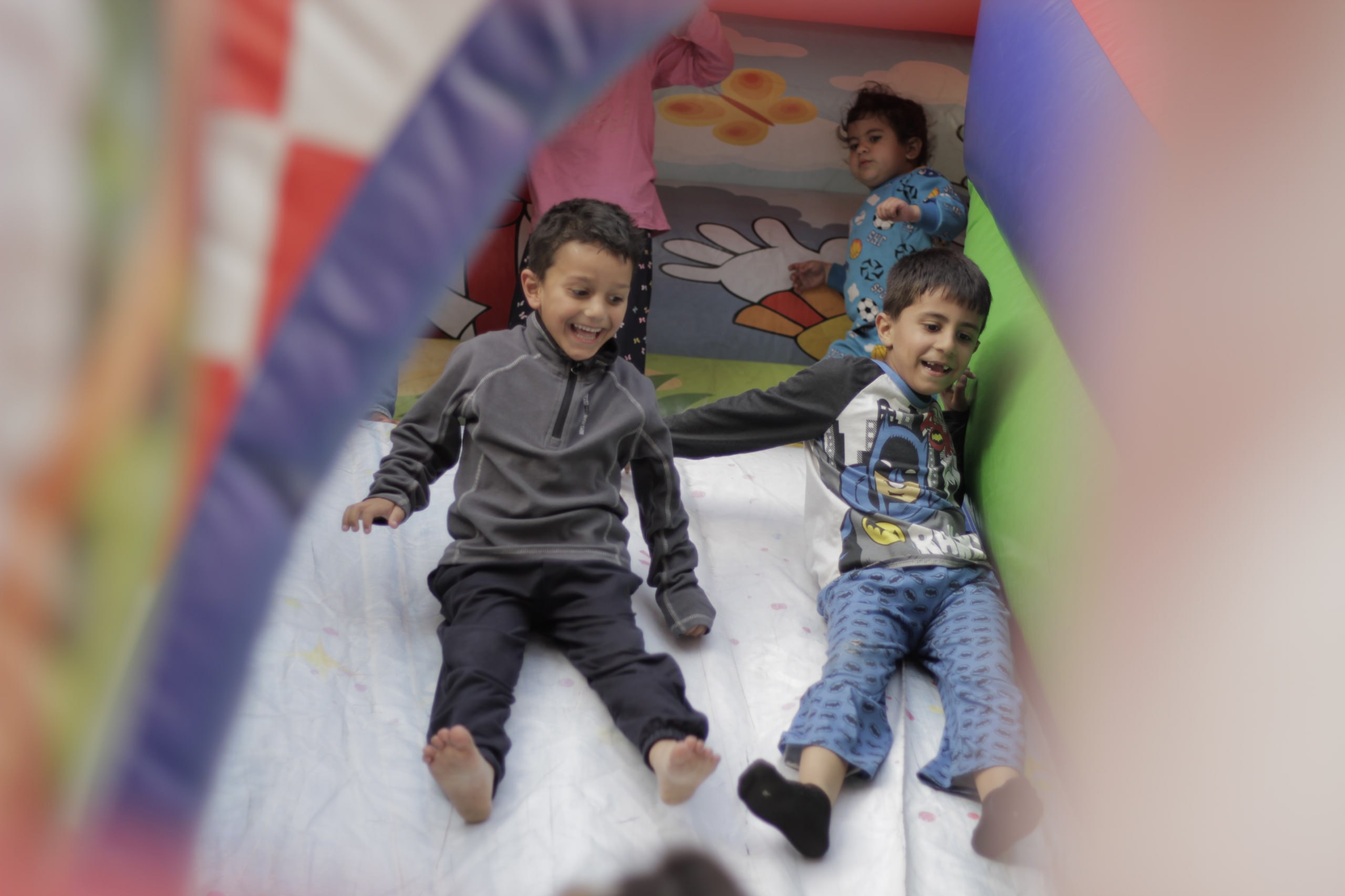
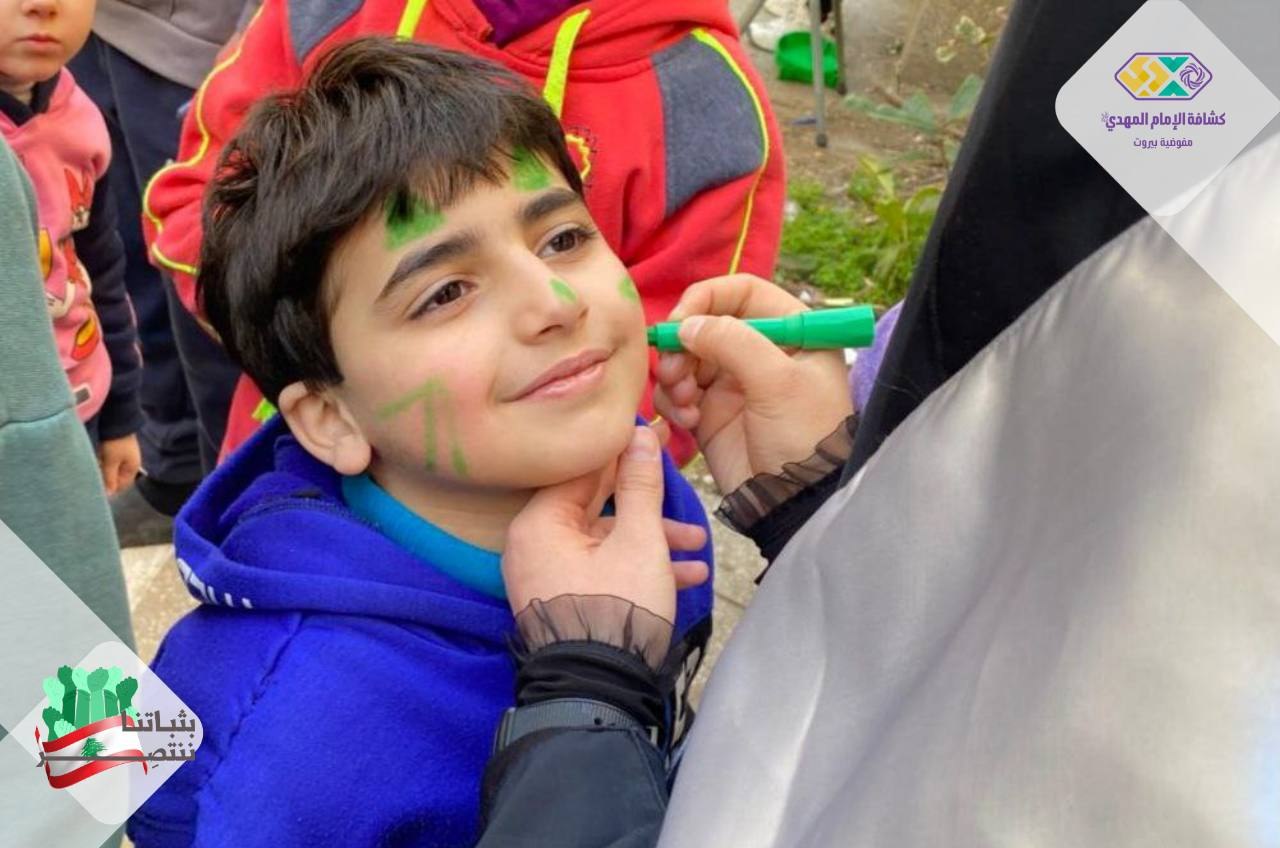
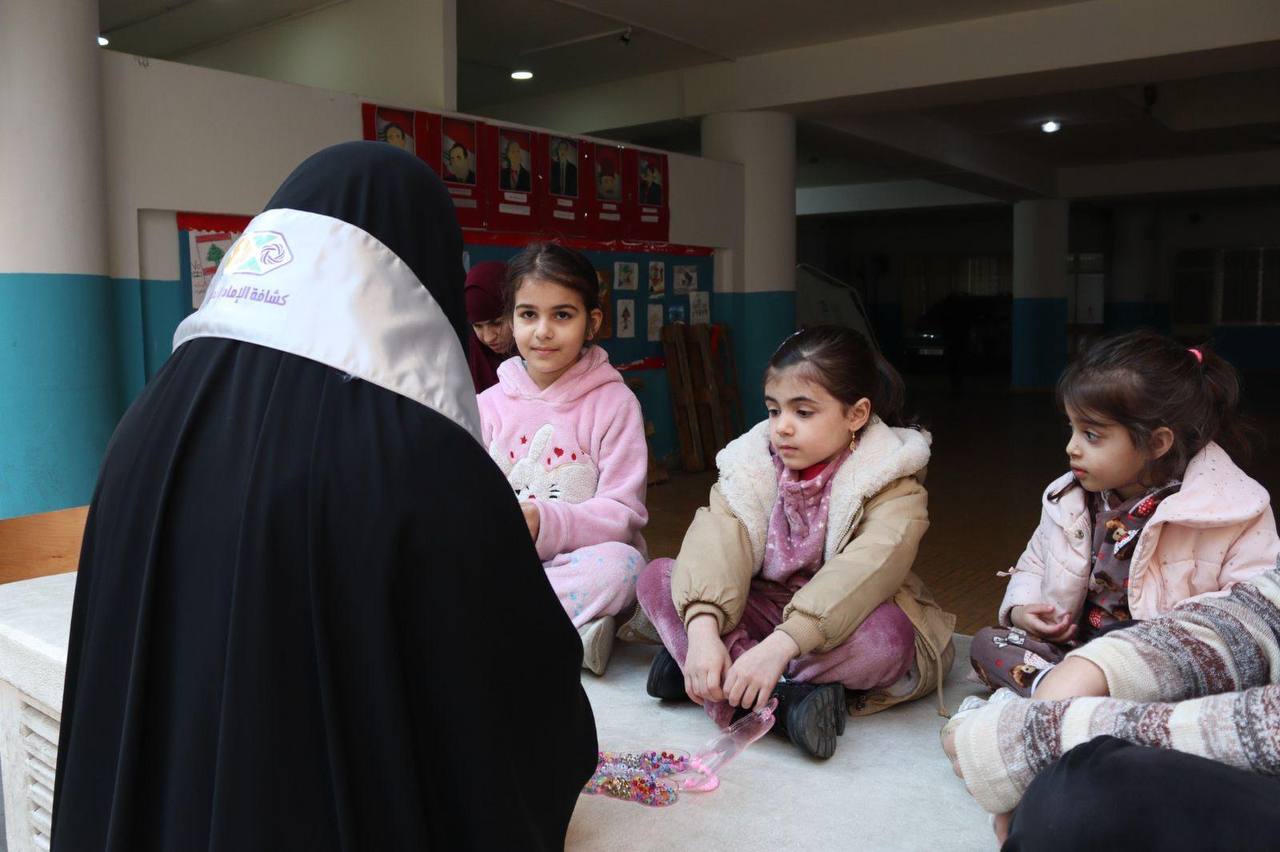
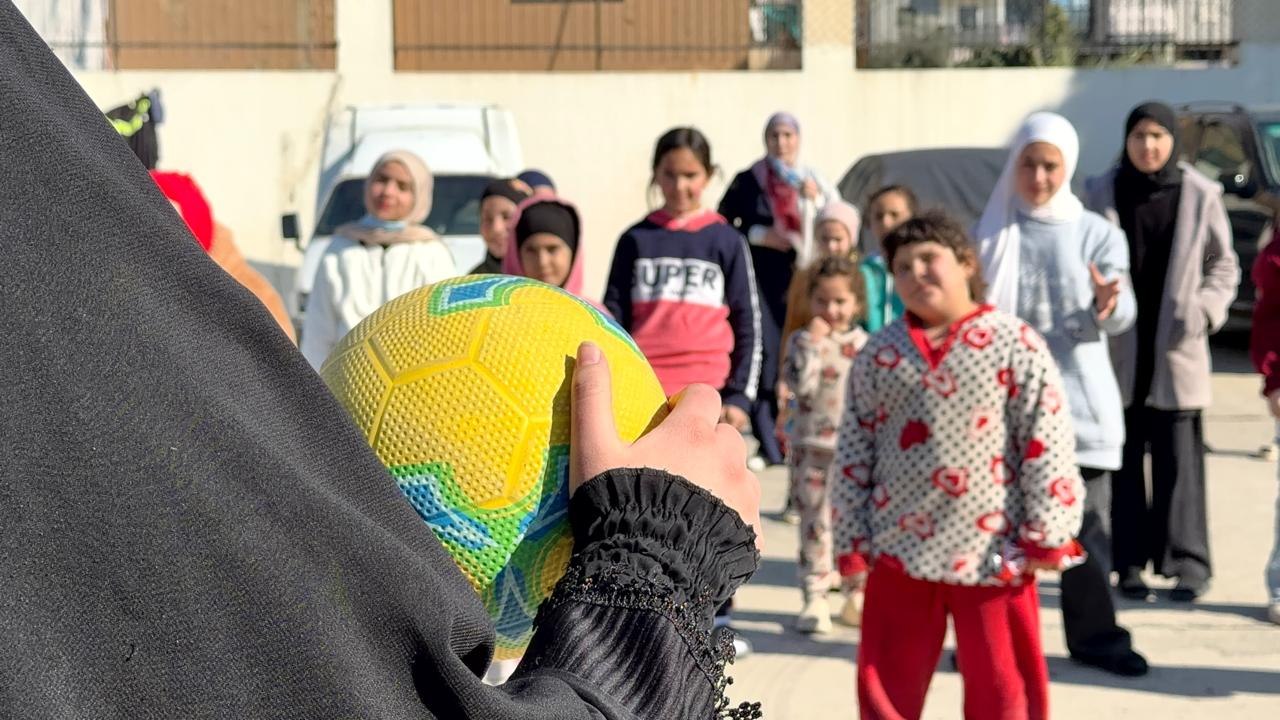
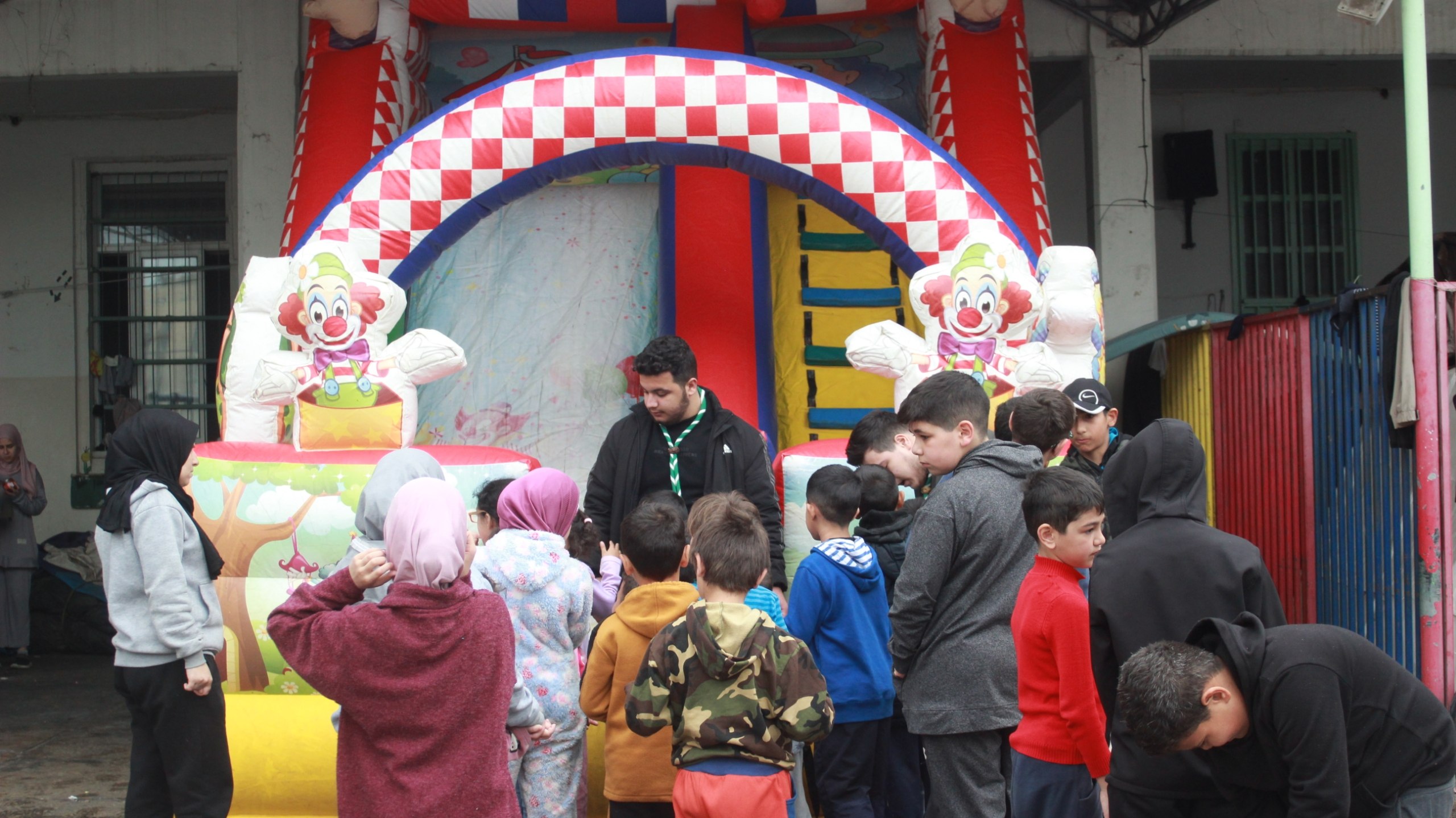
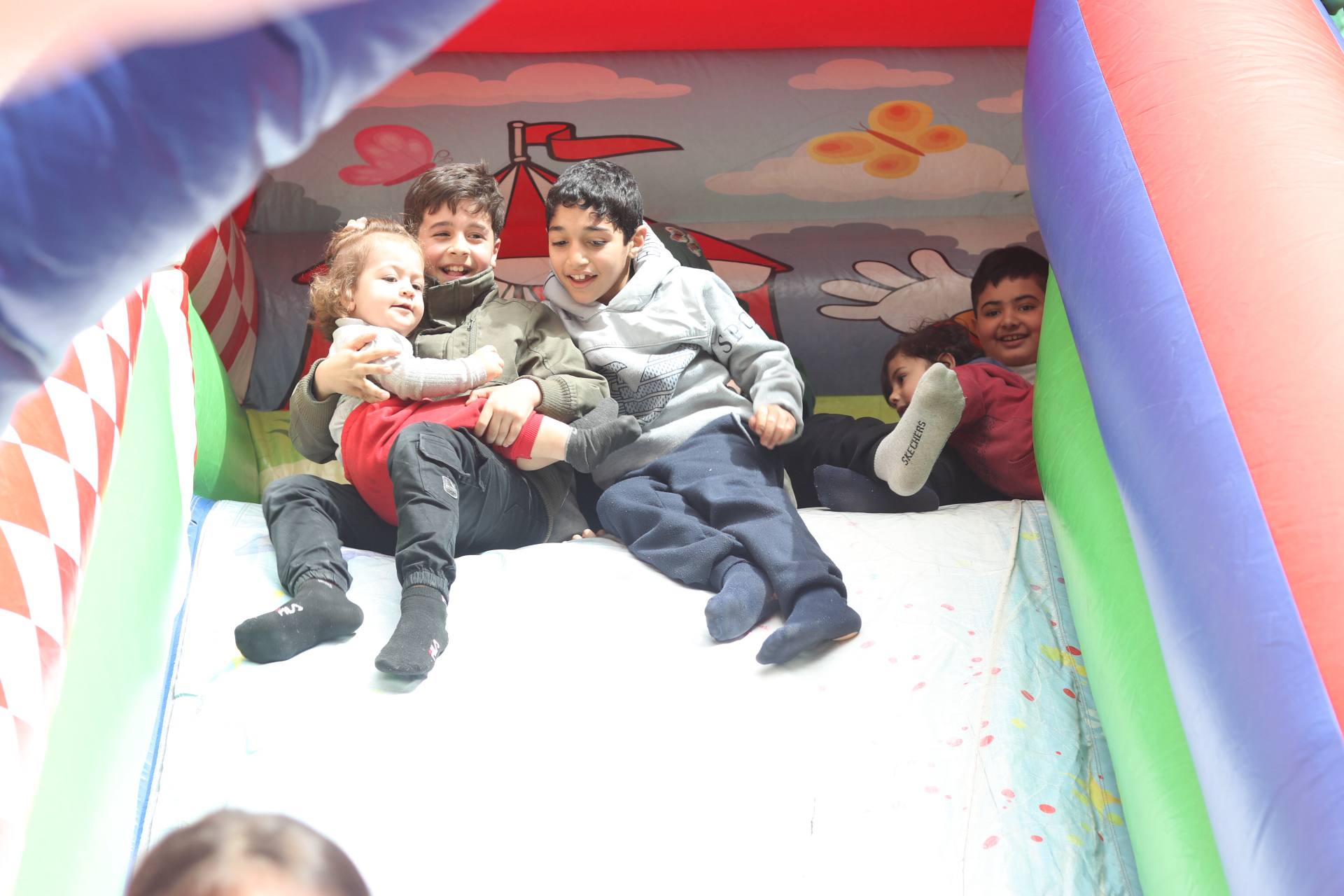
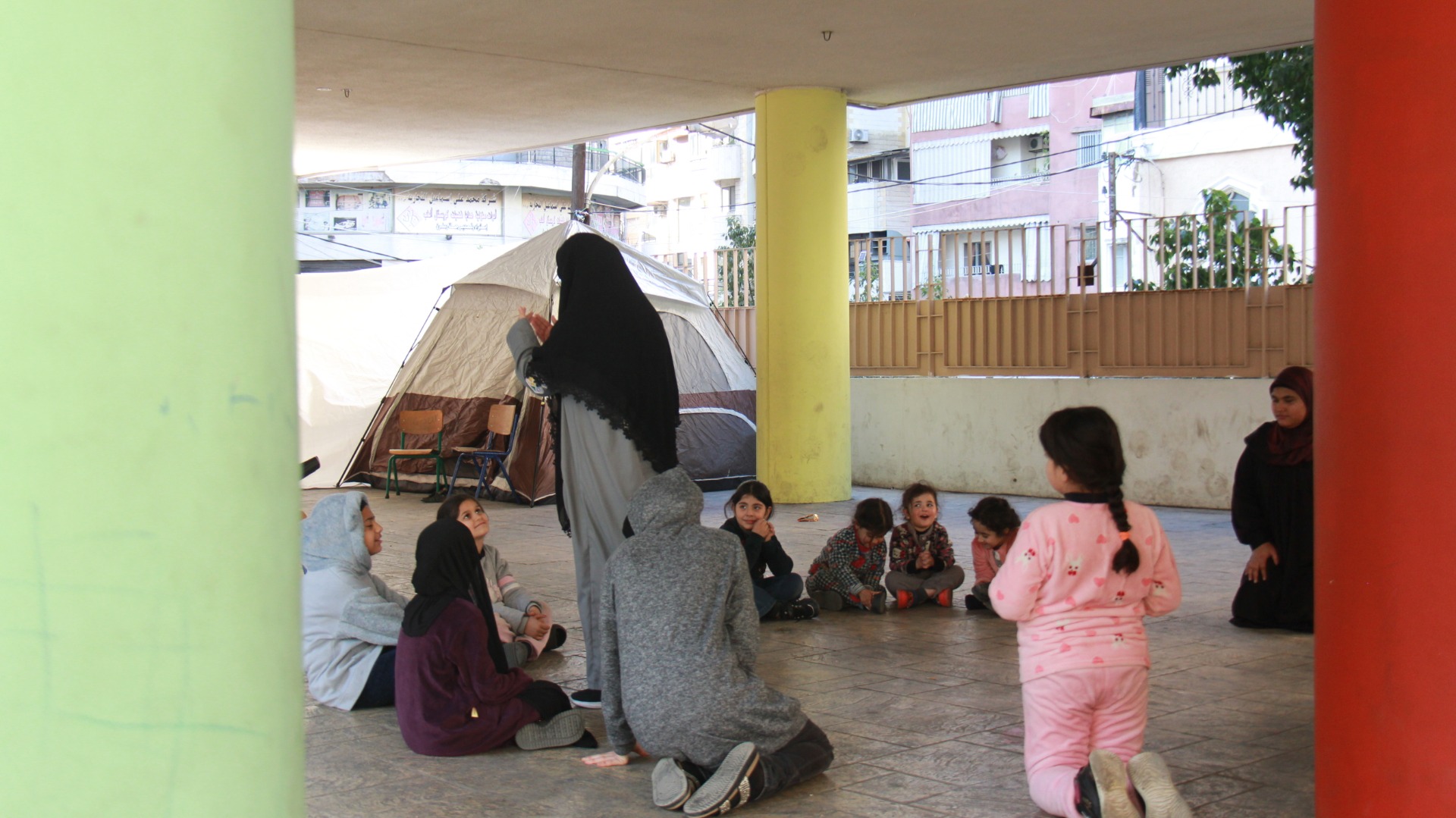
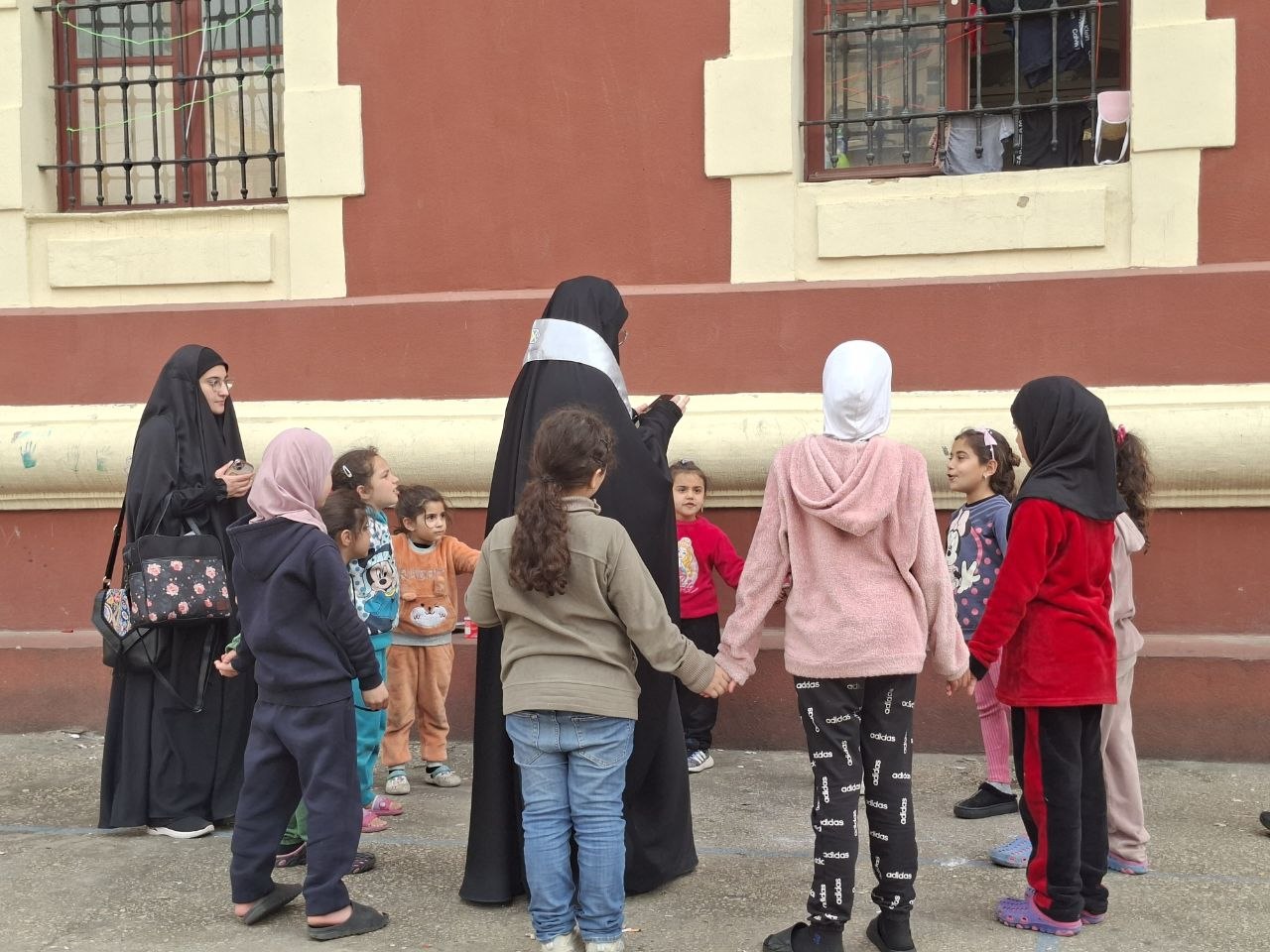
Out of the bustle of cultural, religious, and recreational activities came the bridge of transition... Those games were not meant merely to pass time and entertain, but were an opportunity seized by the Imam al-Mahdi Scouts to monitor the psychological conditions of both young and old through the association's "Sanad" Psychological Support Center, which comprises 370 male and female specialists in clinical psychology, educational psychology, and psycho-social counseling, according to information provided by Hajja Batoul Noureddine. Some of these specialists were distributed across various displacement centers, standing consistently beside and among the families there—from children and teenagers to adults—driven by their belief that psychological support during wars is a necessity and a fundamental need required by individuals. The initial launch of the psychological support journey took place during the early periods of displacement, when the Imam al-Mahdi Scouts initiated psychological first aid for cases detected in displacement centers. The association did not limit itself to providing psychological support while present among people in those centers, but also linked families to the center via the Sanad Center hotline.

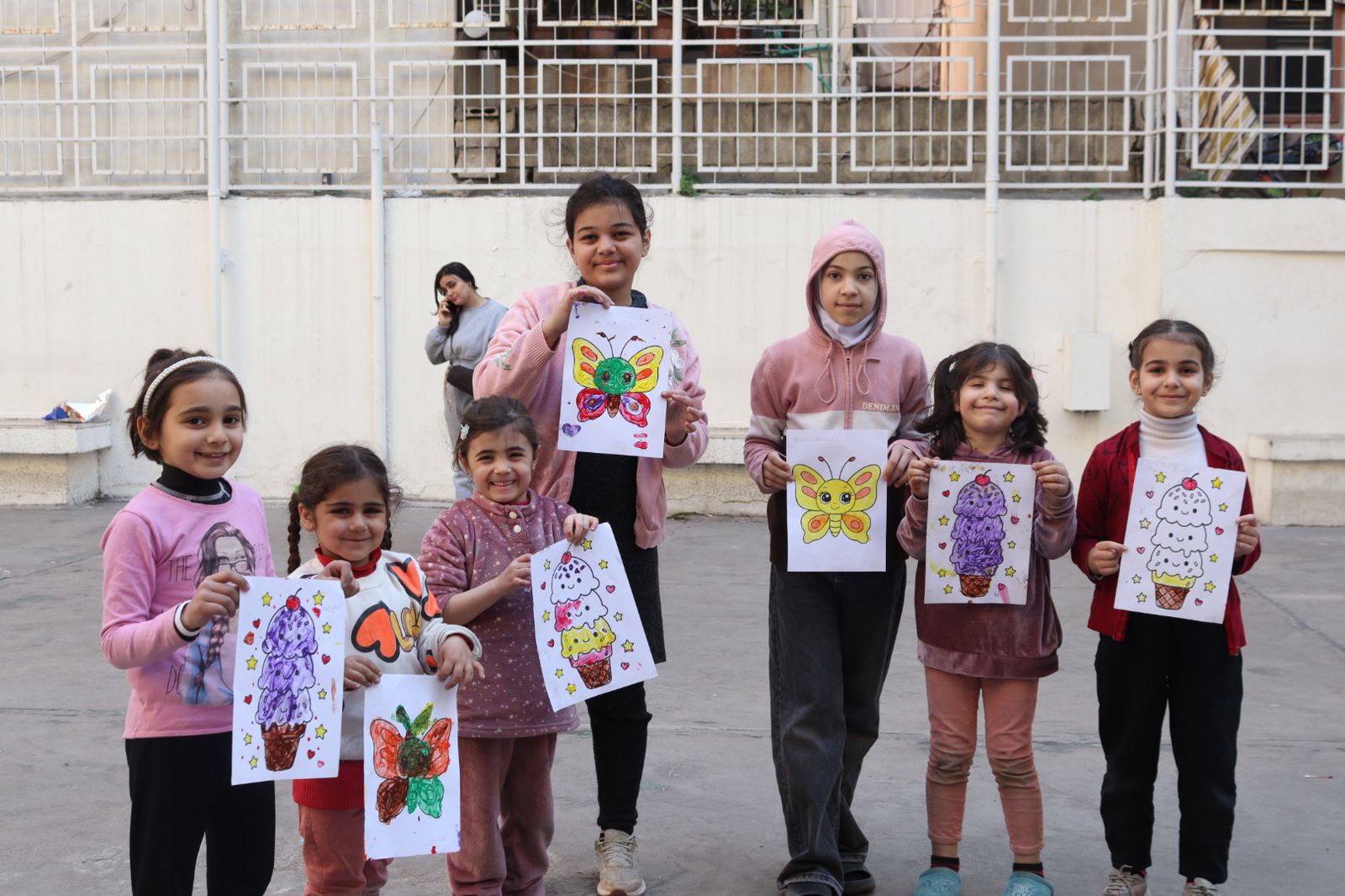
Fatima Noureddine, a psychotherapist and one of the specialists present at the displacement centers, believes that psychological support—specifically during wars—is of paramount importance given the risks individuals face due to bombardment and displacement, as it works to reduce fear and helps individuals live in a balanced manner. Based on this importance, the center initiated various psychological support activities during the war, which were tailored to suit different age groups and included recreational games and psychological release activities such as drawing, coloring, and others. In addition to activities, specialized guides were created containing instructions, support, and emotional release exercises, with a suitable guide for each age group, as well as a specific guide for parents and mothers in particular. Alongside group activities, Fatima added that individual interventions were also conducted following the identification of certain cases requiring specialized individual follow-up. This detection process occurred either through group activities held in schools, consultations received by the center via the hotline, or forms filled out by the center.

To witness the first moments of war, to watch with your own eyes the horror of barbaric Israeli raids raining down like rain from all directions, to burn with the grief of losing loved ones who were with you and by your side just yesterday, or to see the wounded wherever you turn your face left and right—these are not passing scenes forgotten with time; rather, they are events that expose a human being to psychological risks that leave invisible scars. Hajja Batoul noted that the most prominent cases recorded during the war were those related to psychological trauma, accompanied by intense fear, constant stress, and anxiety. These traumas manifested in children's behavior, as some lost the ability to speak properly, while others withdrew into severe isolation. These children received prompt, specialized, and meticulous follow-up from the Sanad Center team—which, alongside psychologists, included a speech therapist—who provided them with the necessary support and help to gradually regain the psychological safety that the war had stolen from them, preventing these traumas from worsening into psychological disorders difficult to handle later on.

Because children's psychological scars heal only within a healthy, cohesive environment, workers in the psychological field during the war realized that protecting a child begins first by supporting the environment that protects them—namely, the parents. Hence, support programs were not limited to activities aimed at children, but expanded to include an integrated track designed specifically for adults, relying on a specialized manual that considers parents' age stages and includes psychological support and release activities to help them vent accumulated stress and regain their balance.
In this framework, the "Sanad" Center organized a series of group educational and awareness workshops that transformed available spaces into a safe haven for mothers and fathers alike. These workshops addressed topics related to their daily lives, starting from coping mechanisms for increasing psychological stress and ways to manage feelings of chronic anxiety and tension, to offering guidance and instructions on how to handle children during times of danger and understand their behavioral and psychological reactions resulting from trauma.
These workshops were not merely stops for giving advice and awareness; rather, they transformed into a window for diagnosing cases. Through expressional spaces and executed group activities, the specialized team was able to detect many psychological cases among parents who were trying to hide their suffering in order to maintain their composure. This allowed the center to intervene early and provide individual support and specialized follow-up for each case before its effects escalated.

A Video Presenting Several Entertainment Activities and Psychological Support Activities
Source: Media Association in Imam al-Mahdi Scouts
Activities Gallery
Source: Media Association in Imam al-Mahdi Scouts
Nothing we do vanishes into vacuum; every move in the field has an inevitable impact on the entire society—either by restoring and building it, or by increasing its cracks and destruction. What the Imam al-Mahdi Scouts provided during the war through their community service teams, in cooperation with their affiliated Sanad Center for Psychological Support, was not confined in its impact to those children who regained their laughter hidden by war, nor to that mother who learned how to deal healthily with her anxiety and control her children's emotions and fear, nor even to the experience of the male and female leaders themselves; rather, it extended and expanded to affect an entire society. This shift from individual impact to societal impact is what puts community service in its rightful place. Community service, as explained by Dr. Ali Krayem, PhD in Social Sciences, is an organized and purposeful effort through which the team undertaking it seeks to deliver a set of services that serve the interest of society based on available societal abundance. Achieving fruitful and useful community service begins with a precise plan. According to Dr. Krayem, community service is akin to a path of targeted work that begins with assessing reality, recognizing needs, identifying strengths, and diagnosing weaknesses. This is how the scouts were in the field: in the recent war, they prepared a precise and systematic plan, accurately monitored the reality experienced by their society and its people, and were fully aware of their needs, employing their capabilities and energies to serve their society, compatriots, and families. Dr. Ali Krayem noted that the work carried out by scout leaders in community service teams indirectly reflects on their personalities as well. Observing societal needs up close, directly touching the challenges facing their society, and knowing the required efforts increase their desire to render services and aid. When their initiative receives acceptance and engagement in society, the impact of their work positively reflects on their personalities, leading them to continue pursuing this work, which over time allows them to develop, progress, and foster capabilities they may utilize in the future in broader projects benefiting society.
With the phrase "learning in youth is like carving on stone," Dr. Krayem continued his talk, explaining that the work carried out by these leaders—who are in their youth and preparing to embark on life's journey—will over time become part of their personality. A young person who finds themselves facing social responsibility at an early age and learns how to build relationships with others within the framework of purposeful, serious teamwork will carry these experiences and the awareness, understanding, insight, and effective utilization of capabilities gained into their mind. Over time, they present to society a personality more capable of dealing with challenges, which also reflects on their behaviors.
In discussing the role played by the Imam al-Mahdi Scouts during the war, Dr. Krayem pointed out the importance of civil and social organizations, institutions, and associations existing alongside official state institutions, given that official institutions are predominantly bureaucratic, with mechanisms following a routine that is difficult to bypass, unlike public civil institutions. He added that the Scouts might be the leading institution in this field due to their ability to adapt to society and employ their capabilities at any time and upon any emergency. Crises and wars cannot afford waiting for official paperwork; displaced families who left their homes in the middle of the night must receive the necessary assistance and care during those crucial first hours. This is precisely what the association did in the initial hours of displacement: it responded swiftly to the crisis, deploying along roads and across various displacement centers to welcome the displaced. More important than speed is the nature of this presence, for people in hours of fear and anxiety need to see familiar, trusted faces to support them and instill a sense of safety. The scouts here are children of this very same environment, sharing with the people the same pain and bitterness of displacement. This direct proximity breaks barriers, as communication here requires no formalities; the scout volunteer quickly understands what these families need, and the displaced person sees in this young scout their own son or neighbor. Thus, field service transforms from a mere dry relief procedure into warm community support, making people feel they are among family and preserving their dignity amidst the crisis.
In conclusion, Dr. Ali Krayem emphasized that community work and confronting challenges, along with the experiences we undergo on the path of community service, all contribute to forming a pillar for society that can be built upon for many years. He noted that these volunteer scout leaders are the foundation of this society; investing in their capabilities, working on them, and employing them in the right place contributes to creating a value-based identity that considers community service its foundation, prioritizing support, resilience, solidarity, strengthening the community, and rising so that it remains capable of standing firm against all crises and achieving victory.