Ommatilabytuha
In the Field
265,375
Number of Offered Help
54,607
Number of Activities
2819
Number of Volunteered Leaders
To the sound of Israeli airstrikes, many families packed an entire life into a small suitcase, locked their home doors, and left, heading toward centers designated to host displaced people. Among those families were young children who had not yet reached puberty, finding themselves in a small room surrounded by hundreds of people—children like them, adults, and the elderly—after having lived a quiet life in a house where only they and their families lived.
Maryam, a mother forced by the Israeli attacks on Lebanon during one of the days of the blessed month of Ramadan to take her young daughter Kawthar and leave home for the Second Rafik Hariri School located in the Zoukak el-Blat area of Beirut, seeking a place that would protect her and her daughter from the enemy's savagery.

"With anxiety, fear, and an inability to sleep," this is how Maryam described her first days in the school she was staying at. As for her daughter Kawthar, Maryam recounts that during the first days of displacement, Kawthar seemed tired and afraid. She also adds that during that period, Kawthar would spend most of her time sitting alone, refusing to play with other children, even her relatives. Maryam recalls that Kawthar remained in this condition until the Imam al-Mahdi Scouts (may Allah hasten his reappearance) arrived at that school and managed to break her isolation.

The Imam al-Mahdi Scouts Association is a scout association founded on the 15th of Sha'ban in the year 1985 by a group of dedicated individuals. According to what was stated on the electronic forum of the Imam al-Mahdi Association, the first founding conference was held in the Bekaa in 1986 AD, after which the General Assembly and the regional commissionerates of the association were established.
The Imam al-Mahdi Scouts Association is distinguished by its diverse and engaging activities and programs, focusing on purposeful educational and recreational activities designed to suit the characteristics of the targeted age groups. These activities are not limited to local troops, but extend beyond national borders to reach several Arab and Islamic countries.
During the Israeli aggression on Lebanon in 2026, the Imam al-Mahdi Scouts played an active role in standing by displaced families through the presence of the Scouts' community development teams, which include a large number of volunteer male and female leaders as well as scout members in the field. In an interview with her, Hajja Batoul Noureddine, Commissioner of Community Development in the Imam al-Mahdi Scouts, defines community development as a specialized commissionerate concerned with environmental, health, social, counseling, and psychological fields across the entire Imam al-Mahdi Scouts Association.

"A scout is always prepared"—with this phrase, Hajja Batoul began her talk about the Imam al-Mahdi Scouts' response during the first hours of displacement. From those very first moments, the scout mobilization began on the ground to receive displaced people and facilitate their affairs.
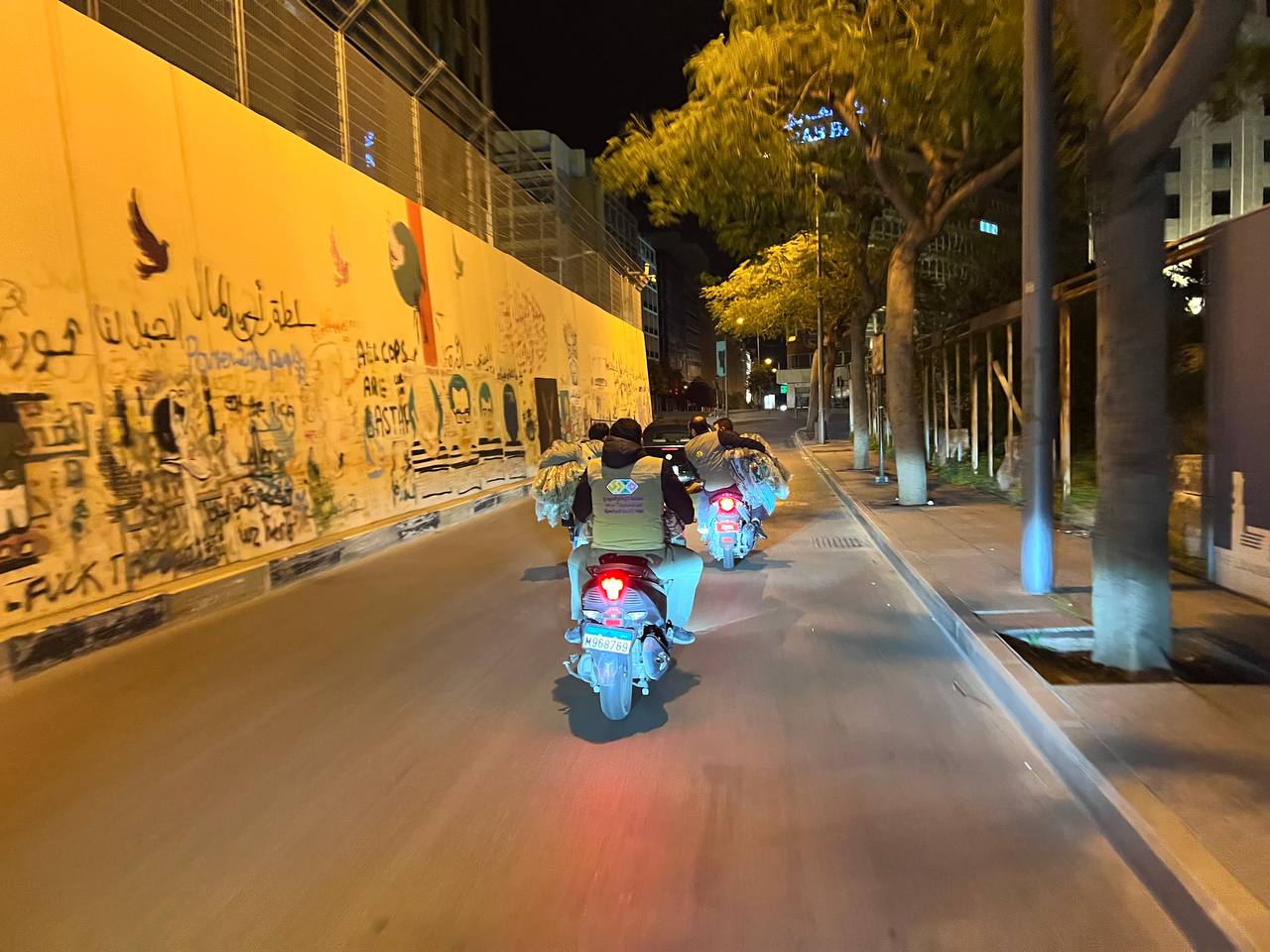
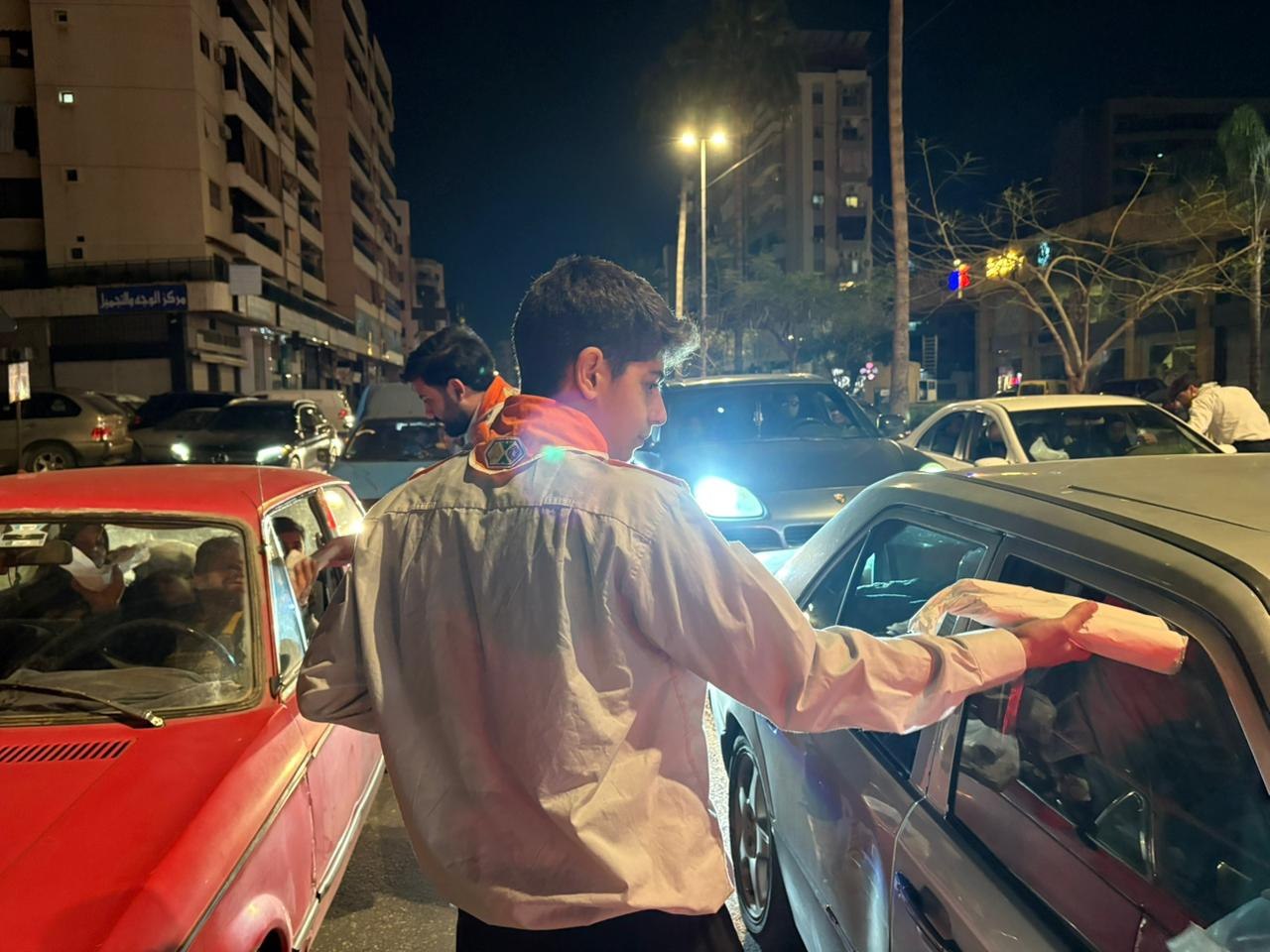
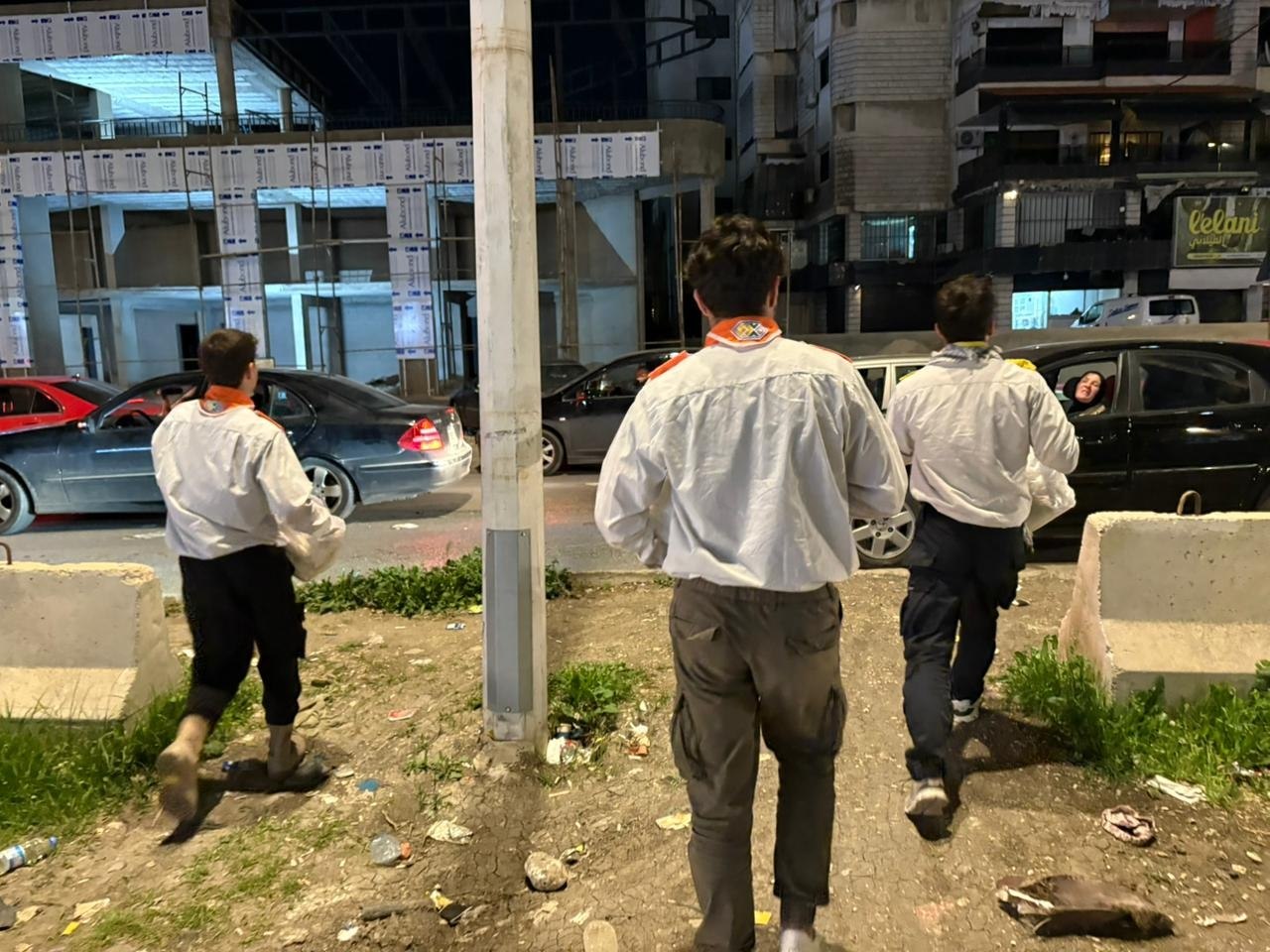
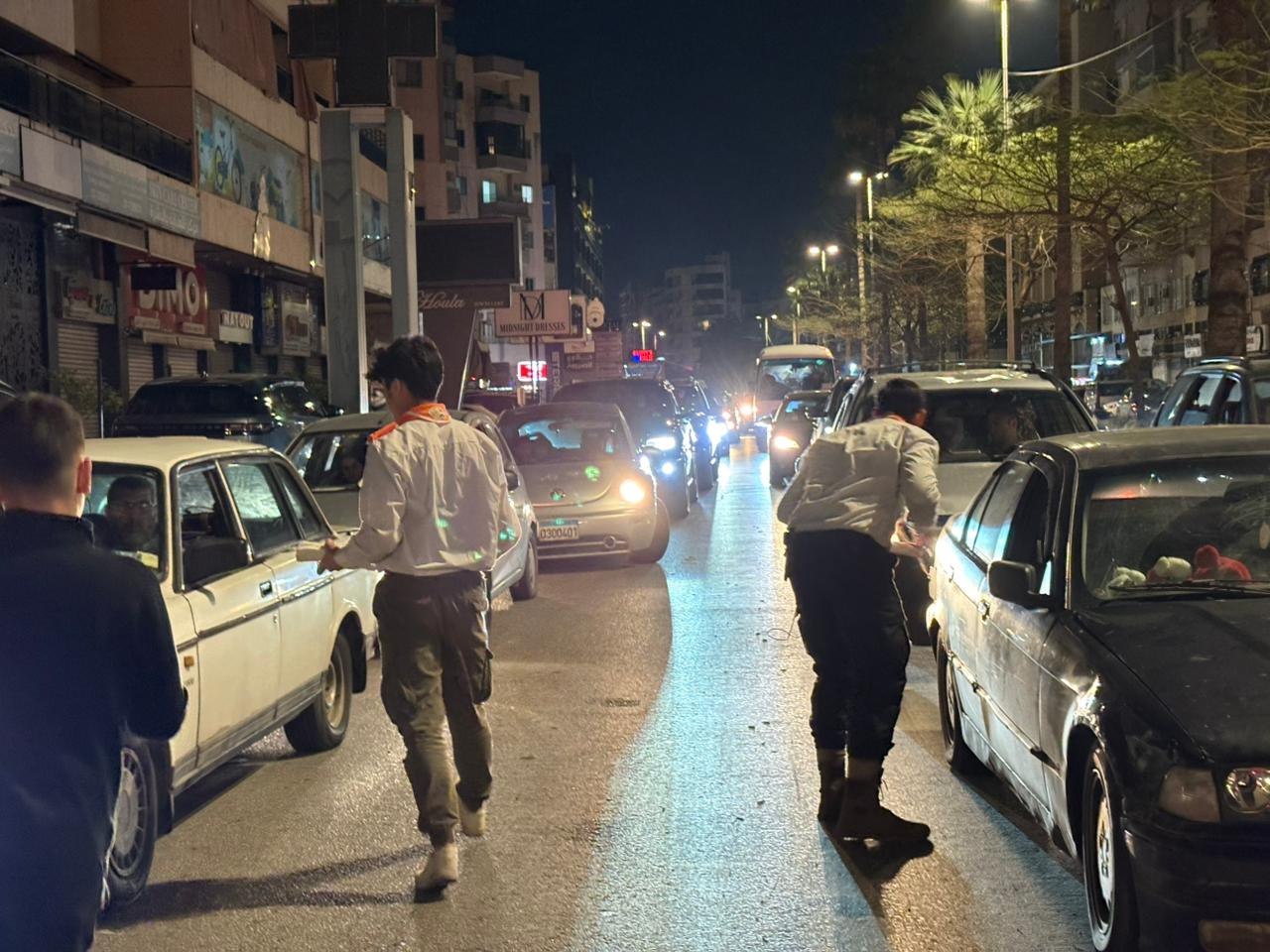
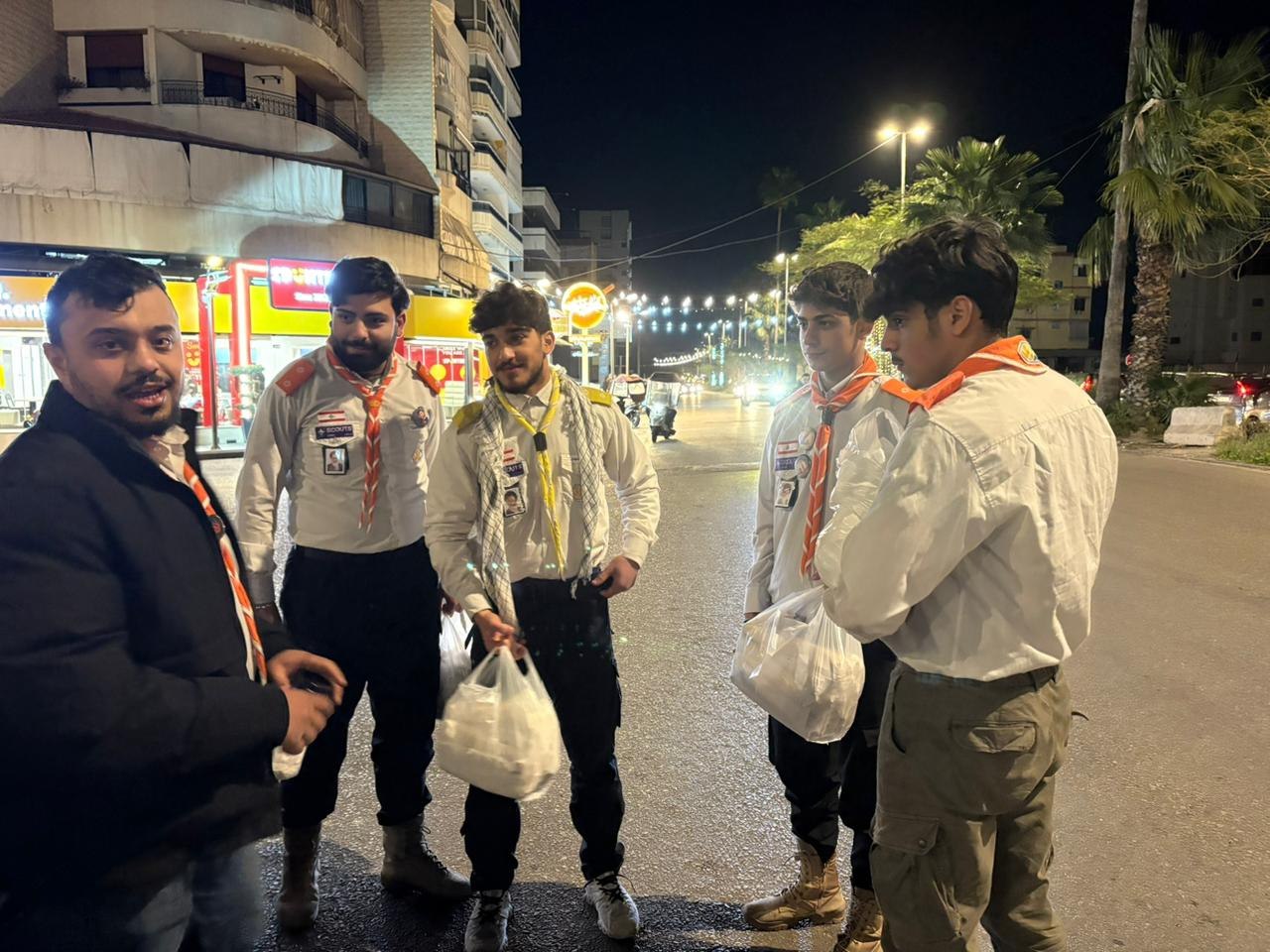
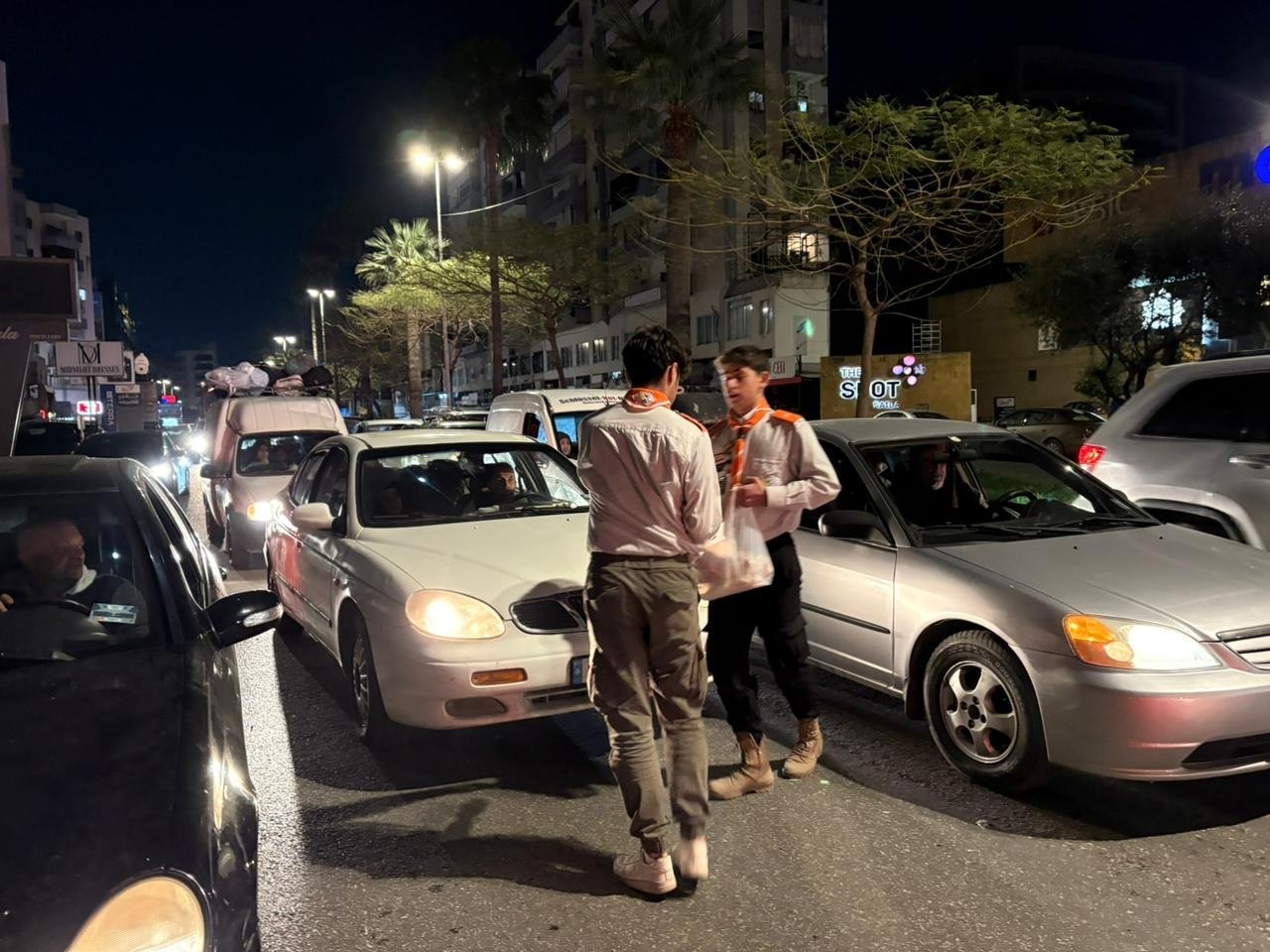
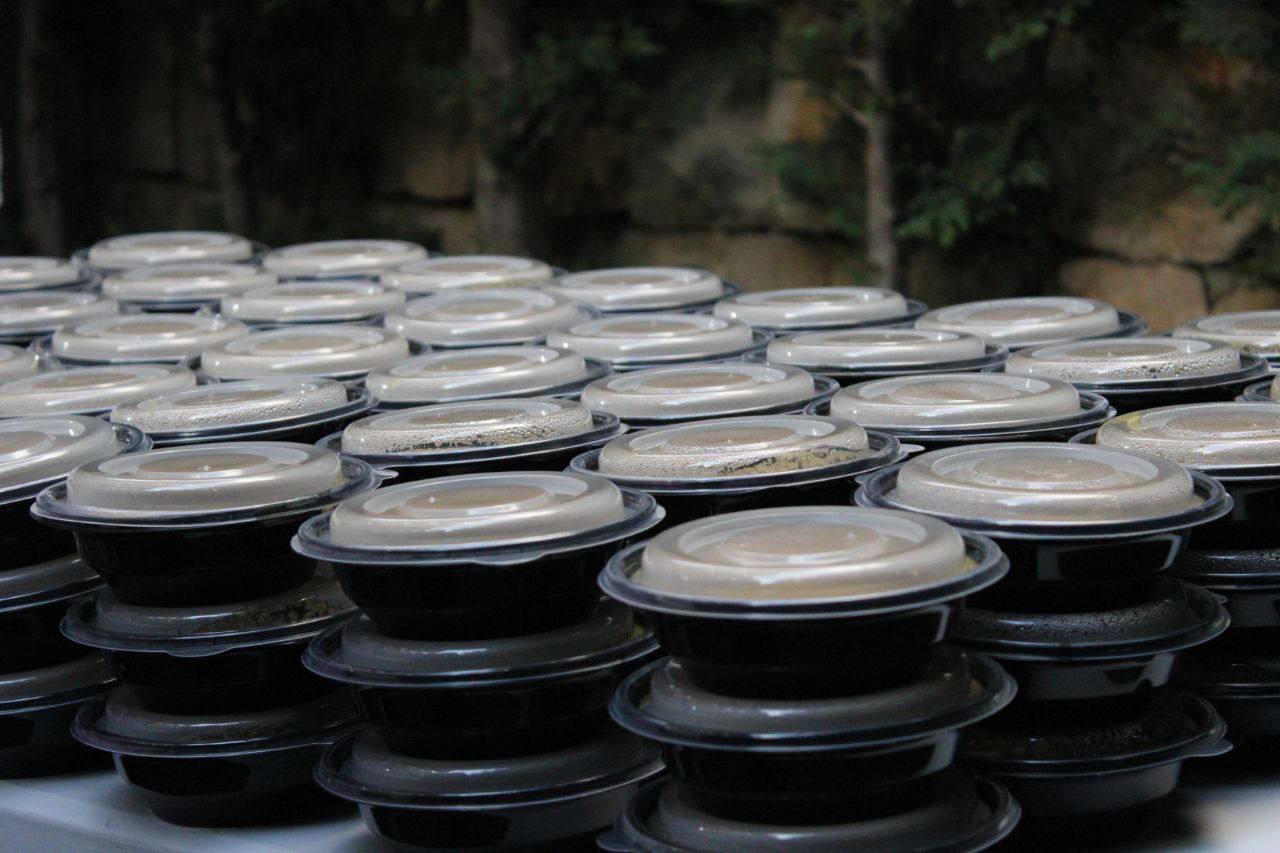
In the dead of night, amid a state of insecurity and instability, a group of scouts took to the streets and began distributing water and Suhoor meals to people arriving from the South toward safer areas. This scouting initiative was not just a one-day effort; rather, it continued throughout the entire period of the Israeli aggression across various Lebanese regions and displacement centers.
Source: Media Association in Imam al-Mahdi Scouts
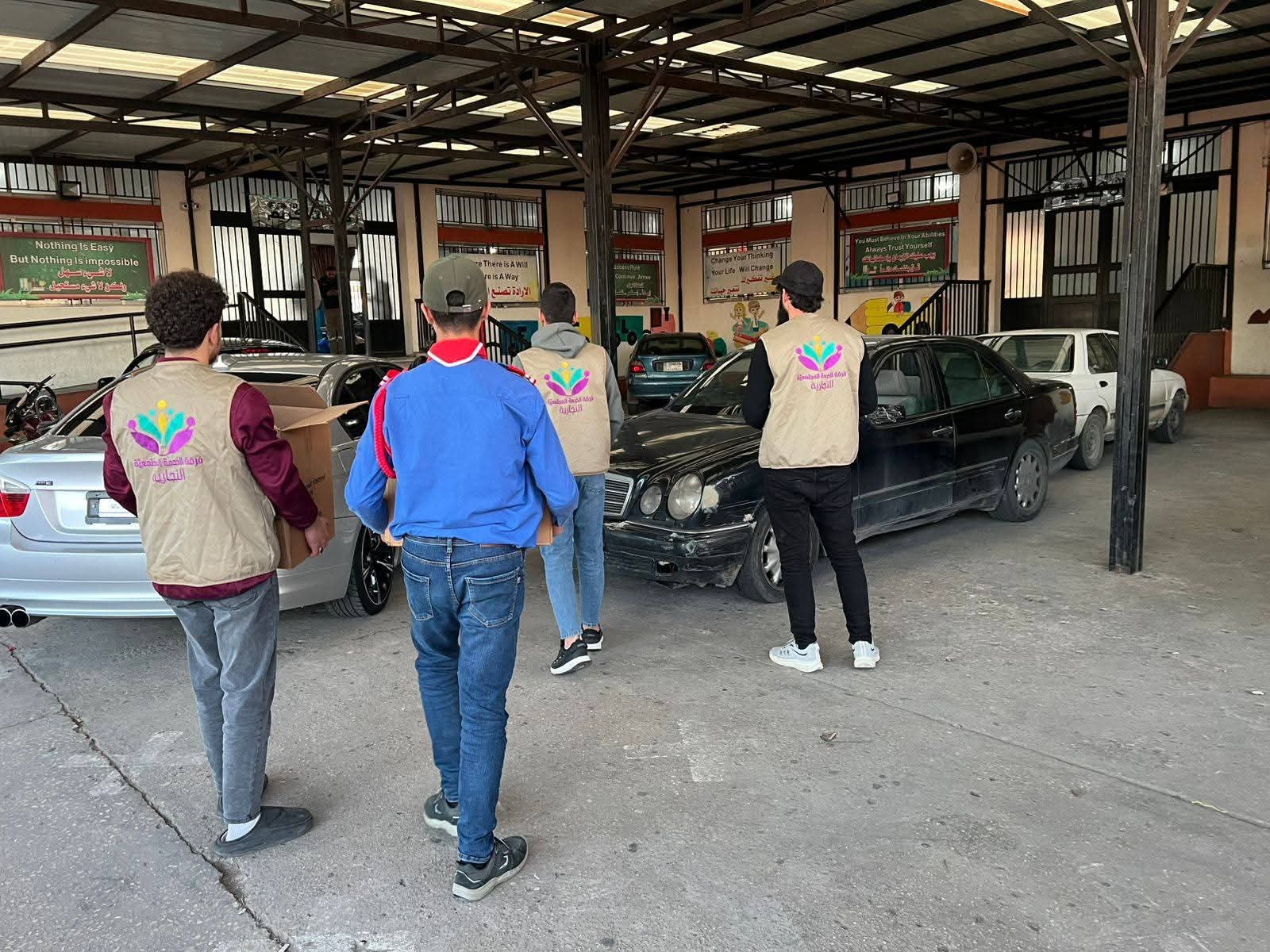
The Scouts had a primary and permanent presence in 187 displacement centers, where they were responsible for monitoring needs and providing food items, in addition to 400 centers that the Imam al-Mahdi Scouts also visited regularly to conduct activities and address needs, given the presence of other associations there. In an effort to reach all areas hosting displaced people, the Scouts distributed their hosting centers across regions including Beirut, Saida (Sidon), Zahle, Jbeil (Byblos), the North, and others.
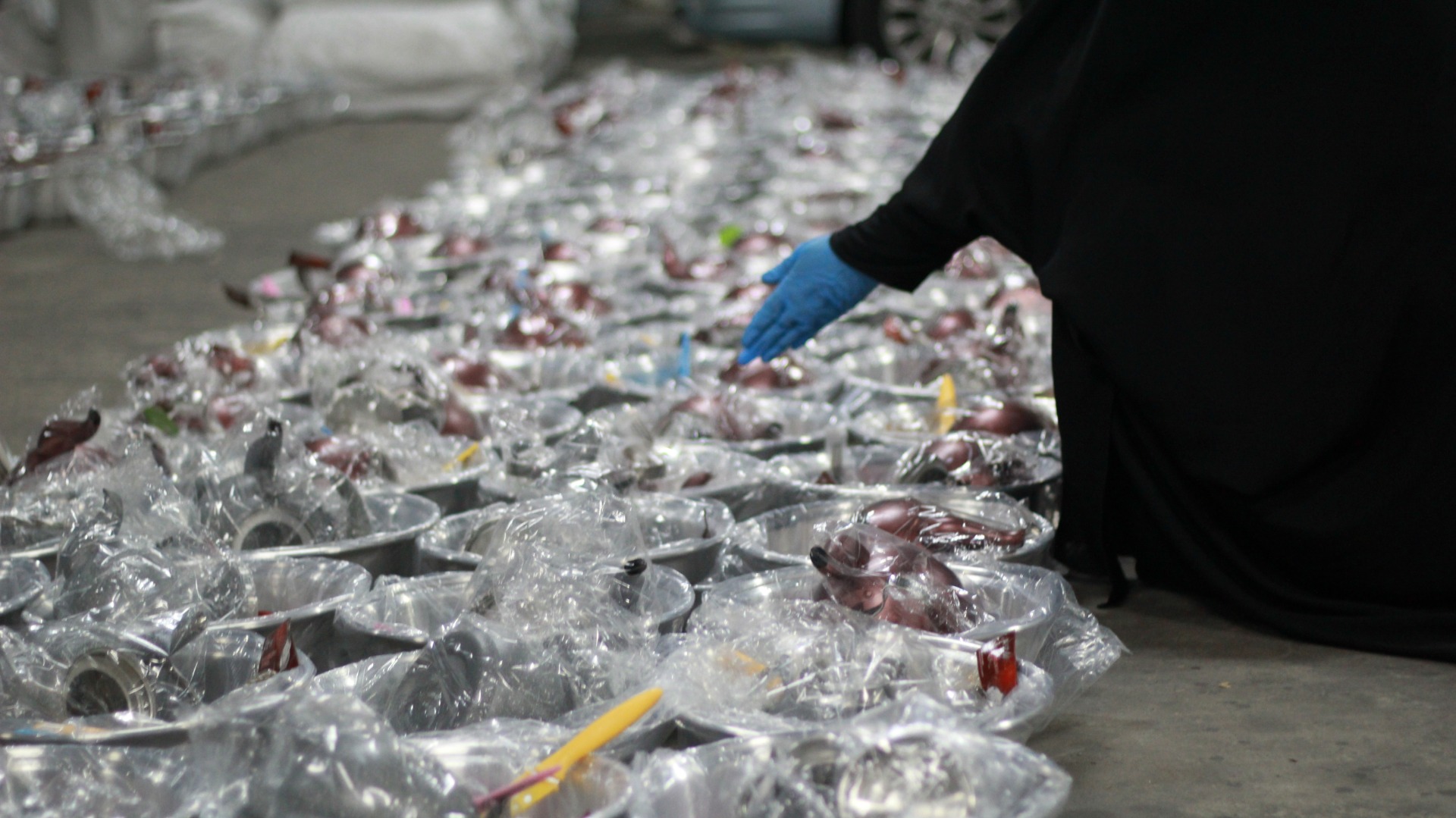
A total of 2,819 volunteer male and female leaders in the Imam al-Mahdi Scouts Association were present on a daily basis across various displacement centers, entrusted with numerous tasks. During the initial period of displacement, Hajja Batoul recounts that the priority was securing Iftar and Suhoor meals for the people—not only those in displacement centers, but even those staying in homes and tents along the beach. Here, I recall the story of the leader of the Sixth Sector in the Imam al-Mahdi Scouts, Hassan Najm, and a group of volunteer leaders whose scope of work was within the Western Beirut area, which hosted a large number of displaced people. Driven by religious duty and moral responsibility, Hassan and his scout colleagues worked day and night throughout the days of the blessed month of Ramadan to provide Iftar and Suhoor meals—which female scout leaders prepared in their homes—so that the displaced would not feel alone.
On most days of the blessed month of Ramadan, Hassan and some of the scout leaders—some of whom later became martyrs mid-war—would delay breaking their fast because they refused to eat while there were families whose Iftar had not yet been secured. They would head to those families carrying Iftar meals, and only after that would they return home to eat.

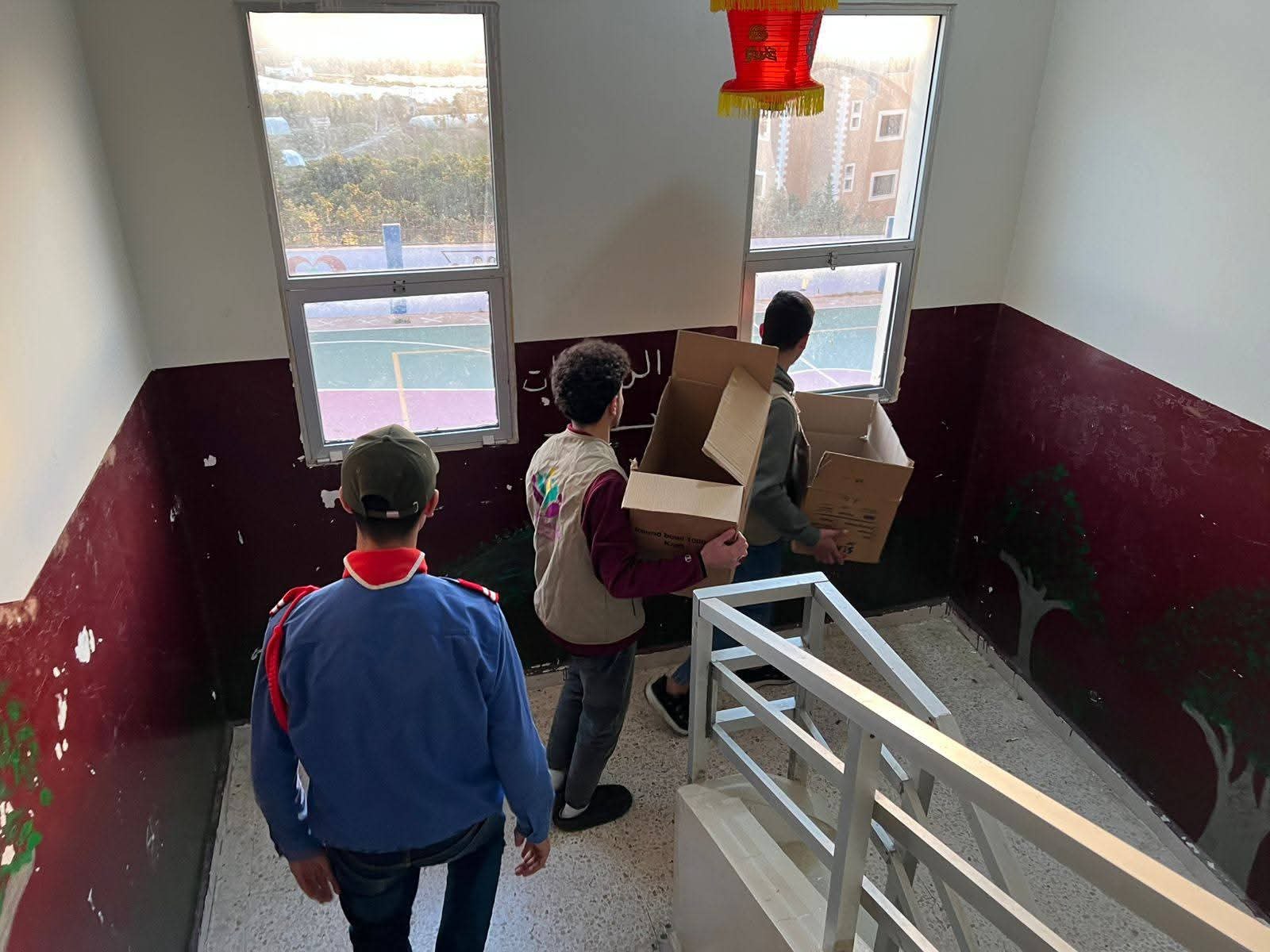
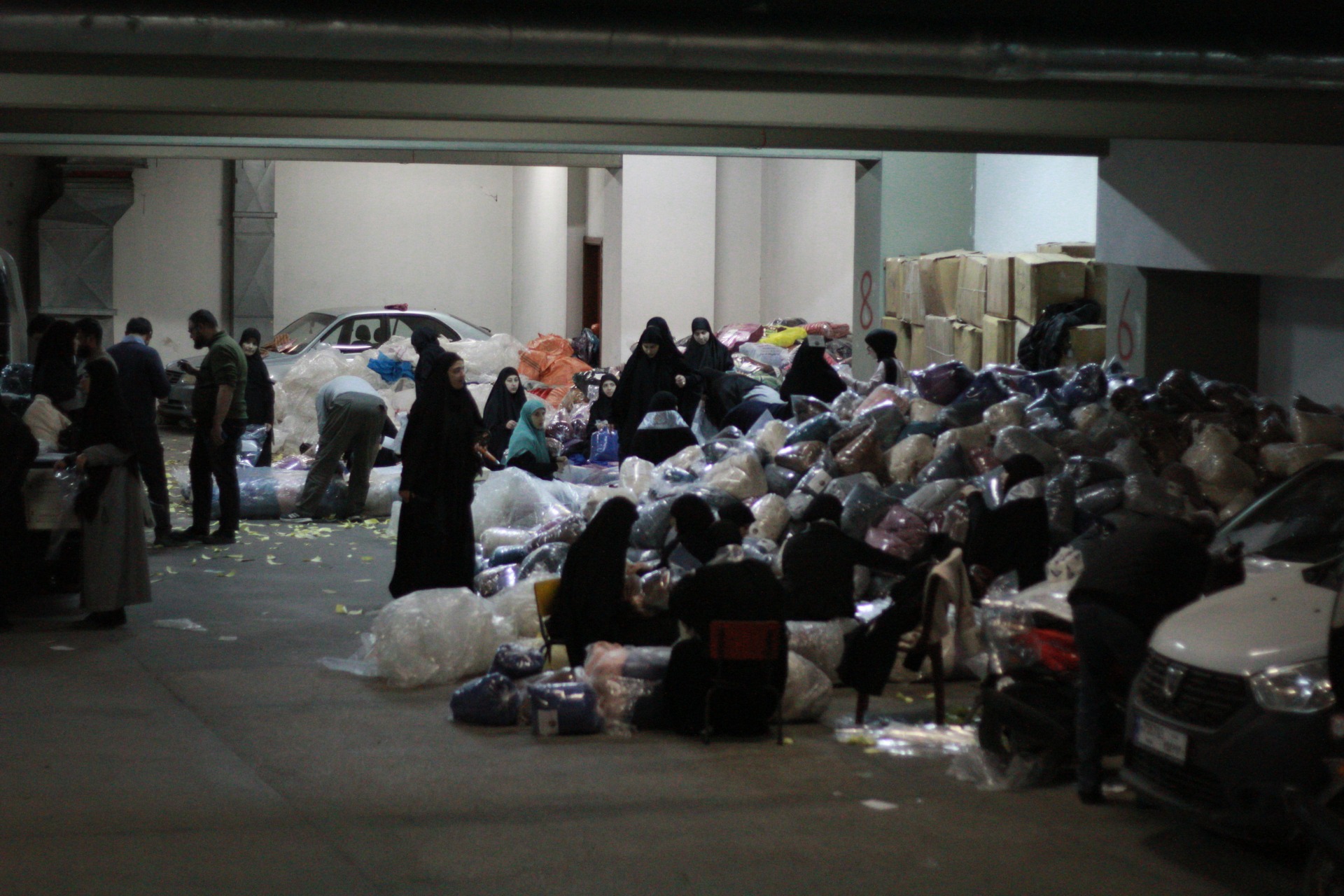
In addition to securing Iftar and Suhoor meals, the Imam al-Mahdi Scouts provided numerous forms of aid, totaling 265,375 aid provisions according to statistics provided by Hajja Batoul Noureddine. These 265,375 provisions varied between food supplies and in-kind items, including gas cylinders, washing machines, refrigerators, blankets, and other items, funded through financial and in-kind donations received. Hajja Batoul adds that municipalities did not have direct intervention in displacement centers, but certain tasks were carried out in coordination and cooperation with them, as the Scouts benefited multiple times from resources available with municipalities. In this context, Hajja Batoul mentioned the Ghobeiry Municipal Center, which played a role in cooperation with the Scouts to secure a portion of medical needs for the displaced as well (wheelchairs, crutches, etc.).

Source: Media Association in Imam al-Mahdi Scouts
Behind these numbers and comprehensive statistics stand young men and women who chose to carry the weight of this crisis on their shoulders. For numbers, no matter how large, remain silent; they do not show how a long day passes inside those centers, nor do they tell us how these male and female leaders managed to balance their anxiety for their own displaced families with their field duty toward those they also considered family. They themselves are sons and daughters of these villages and neighborhoods struck by bombardment and forced to leave, yet they chose to be those who support rather than those who are supported. For Fatima, a 27-year-old leader in the Imam al-Mahdi Scouts, displacement was not merely leaving a home and an entire life behind, but the beginning of a new chapter of giving and service. After settling in "Al-Saeed Project" in the Aaramoun area, Fatima found herself in front of a complex housing around 400 families—nearly two thousand people sharing the same fear and anxiety. There, the young leader and her colleagues decided to be a space of safety and serve the people to ease the burden of war on them. This field role touched the details of daily life, from cooking food and distributing meals to displaced families, to securing medicines and baby milk formula.
Source: Media Association in Imam al-Mahdi Scouts
In addition, the female leaders organized various weekly activities, where each leader took charge of a specific age group to run diverse segments using the available capabilities and equipment. Speaking about this small joy, Fatima says: "Despite all the difficulties, wonderful activities were being conducted, and the children—most of whom were scout members previously—were very happy, as were the parents, who waited for the activities to send their kids." Fatima recalls the kermesse organized by the Scouts during Eid al-Fitr, and the distribution of gifts to children in an attempt to help them get through this difficult stage and repair what the war had damaged in their spirits.
Behind this hope, the female leaders faced daily challenges. Fatima and the volunteers experienced immense pressure resulting from balancing their personal responsibilities with scout duties, alongside the dangers of movement and transportation due to the shelling, which made securing activity supplies difficult and required working with the bare minimum available. Despite this physical and emotional exhaustion, a single kind word was enough to revive their spirits. Fatima recalls those moments, saying: "Despite all this exhaustion we were feeling, certain situations happened to us that touched us and made us forget this weariness, whether through people who came and offered us kind words..." And when asked in surprise about why they were present among the people at a time when they ought to be with their own families, Fatima's answer was: "As volunteer leaders in the Imam al-Mahdi Scouts, we are used to always doing our work to hasten the reappearance of the Imam. Hastening the reappearance of the Imam is not just about holding commemorations on ordinary days; on the contrary, when our people and the world around us need us, we are there to be a support for them."
Fatima's experience in Aaramoun was not an isolated one; rather, it was an extension of a vast network of male and female leaders present across various centers. In the heart of the capital, Beirut, the drive to confront the helplessness of displacement motivated other leaders who carried the same motivation: "community service."
There, scout leader Zeinab Alawieh began her journey with displacement. In a written interview, Zeinab tells us that she could not accept the idea of days passing while sitting idly, waiting for the war to end, so she found the Scouts as a means to help her deliver various services. Zeinab began her duties on the media side, using her camera lens as a witness to the field activities conducted in displacement centers. But her love for service soon led her to a second field alongside media: Zeinab started conducting activities for children herself, before another door opened for her—participating in cooking at one of the kitchens established in the capital, Beirut. There, Zeinab collaborated with the kitchen team to prepare over 500 meals daily for the displaced, a kitchen that remains operational to this day to serve remaining families in centers whose homes were destroyed. In addition, she worked on packing rations that contained household supplies, balancing all these tasks to ensure no shortcoming.
Source: Media Association in Imam al-Mahdi Scouts
"The World Is Still Full of Goodness"
Amid the daily fatigue that accompanied Zeinab back then, she speaks of situations that left a deep impact on her, saying: "Among the scenes that I can never forget was when the sisters working in the kitchen—some young women my age and older women—were racing to take on the hardest work that required the most effort, just so they felt they were contributing something to society. That scene moved me, brought me joy, and made me say, 'the world is still full of goodness.'"
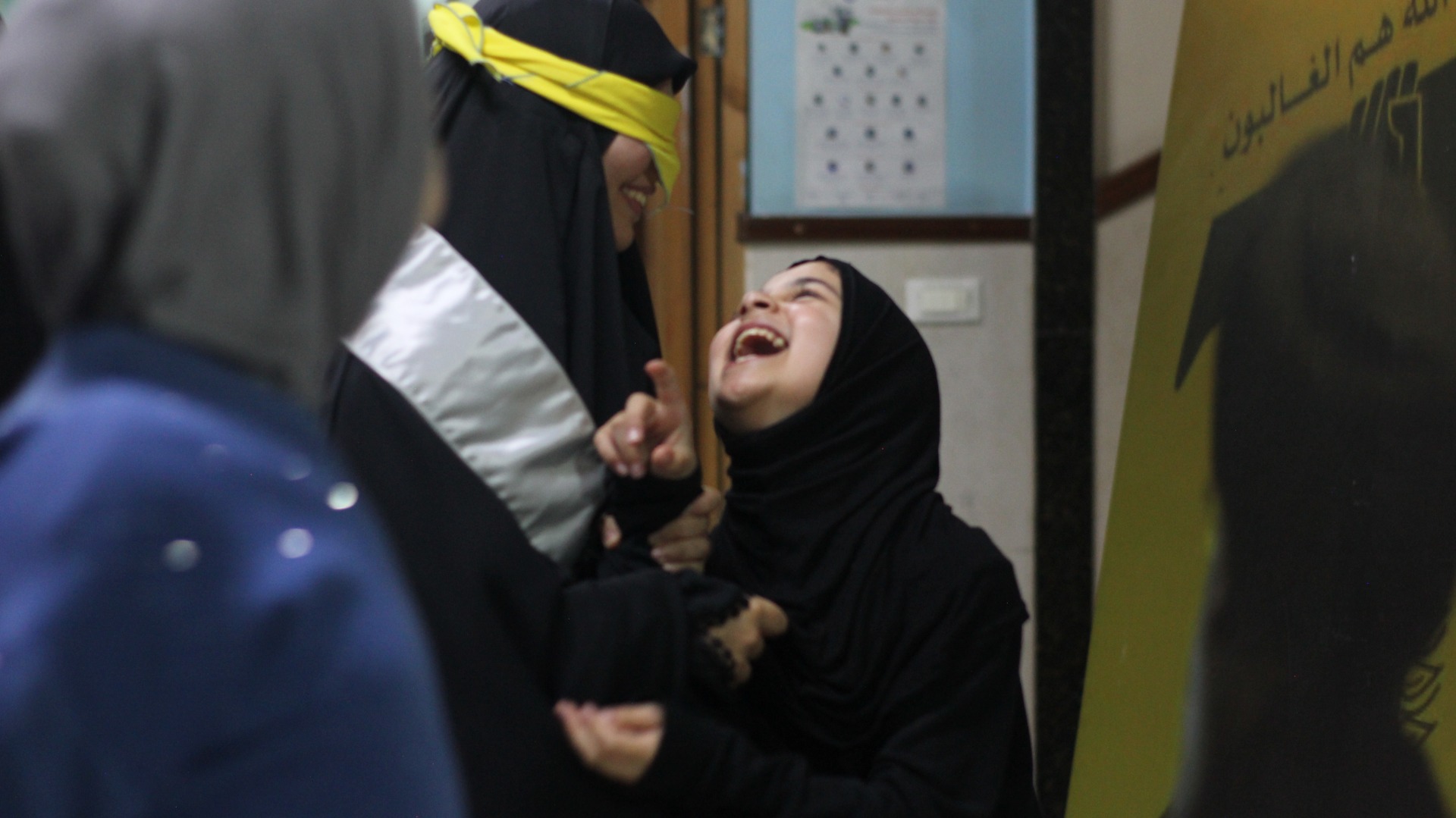
It didn't stop there, Zeinab says, as she also recalls one of the moments that made her touch the real impact of the work provided by the Scouts. One day, the Scouts did not come to the displacement center to run activities for children, and the next day Zeinab was surprised by a young girl running toward her and reproachfully asking: "Why didn't you come yesterday, Leader, and run an activity for us? We missed you and were waiting for you." Zeinab says: "That's when I realized how much the role we played had a real impact on the children and that it wasn't something passing. At that moment, I knew how much joy the children were finding with us."
Source: Media Association in Imam al-Mahdi Scouts
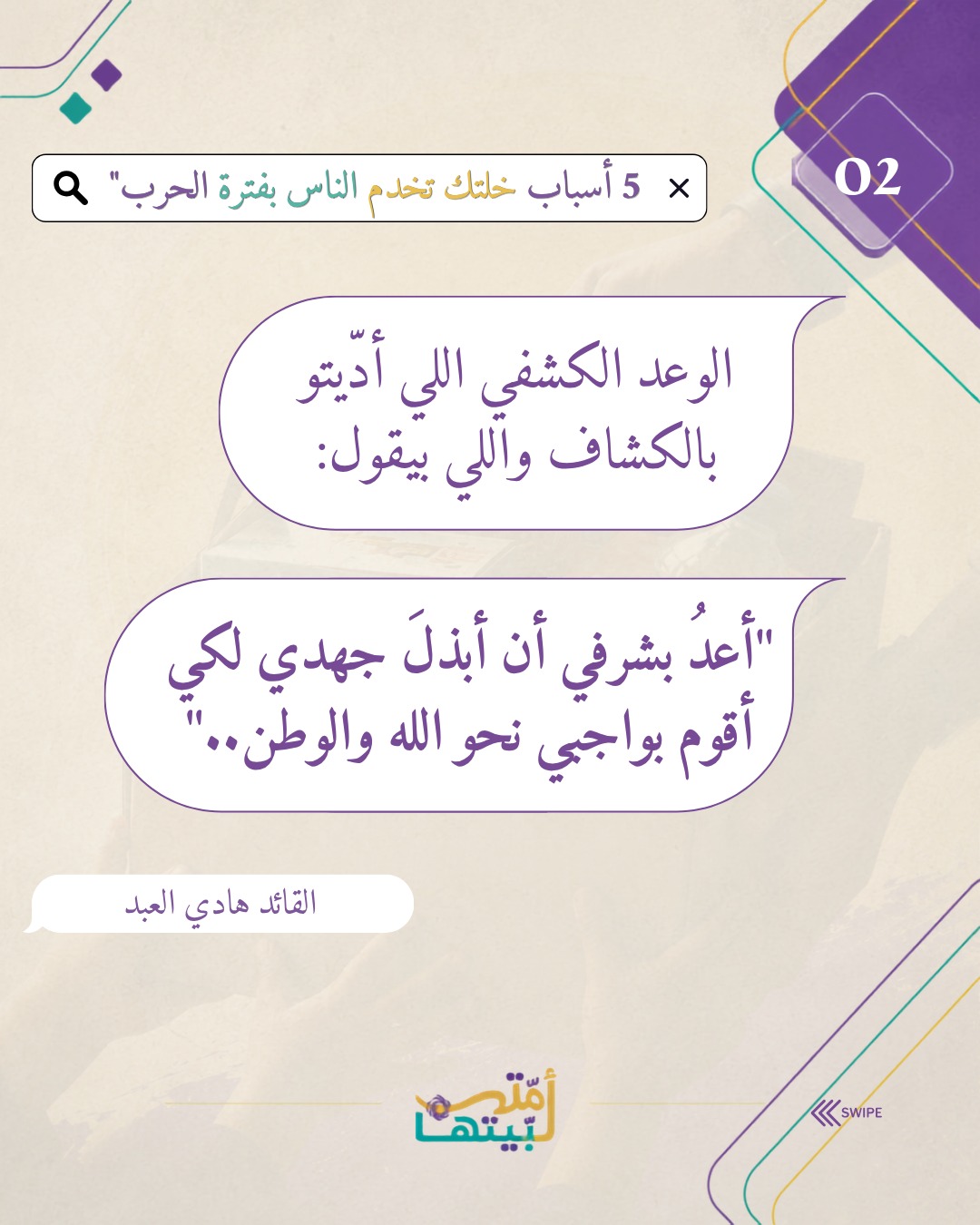
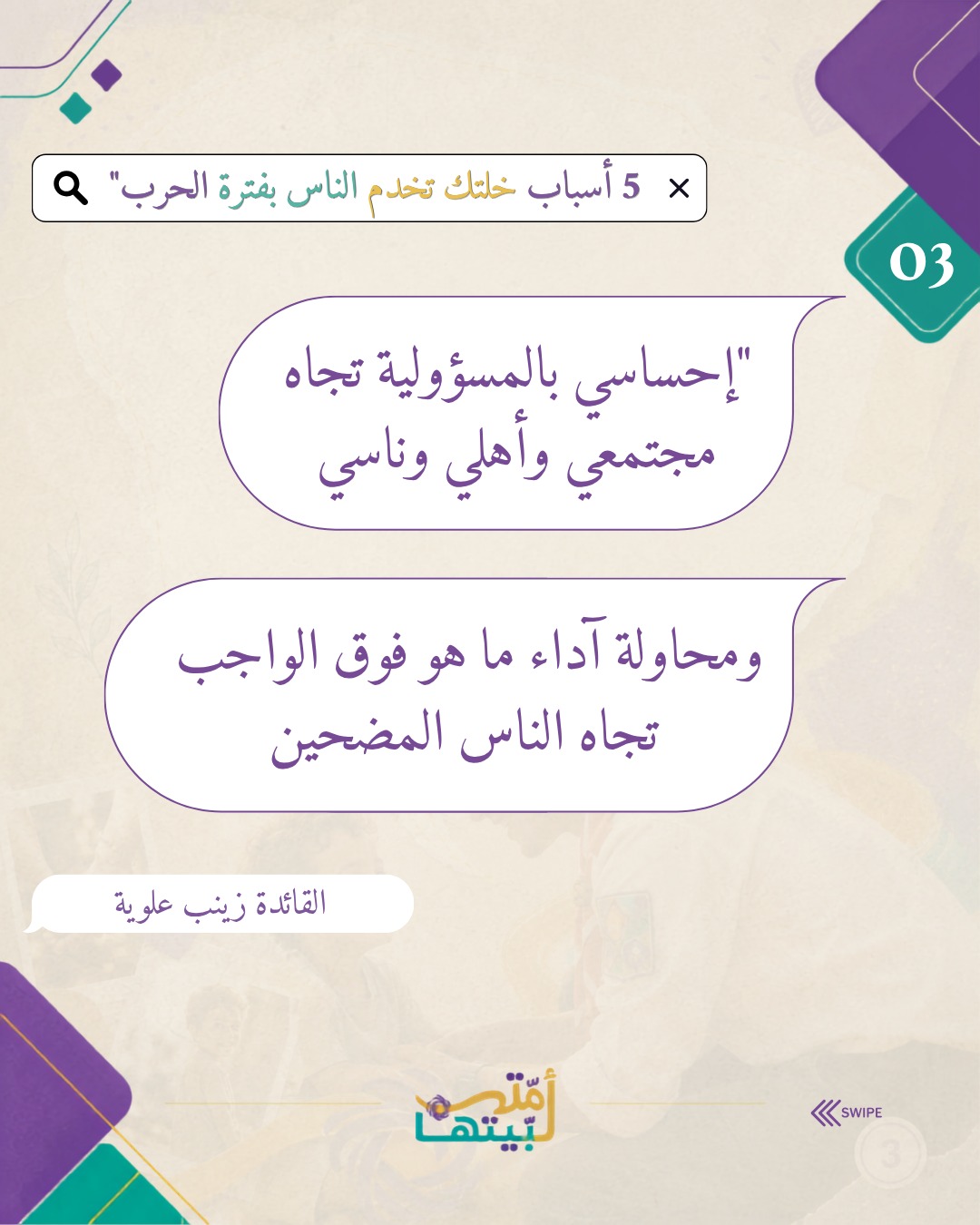
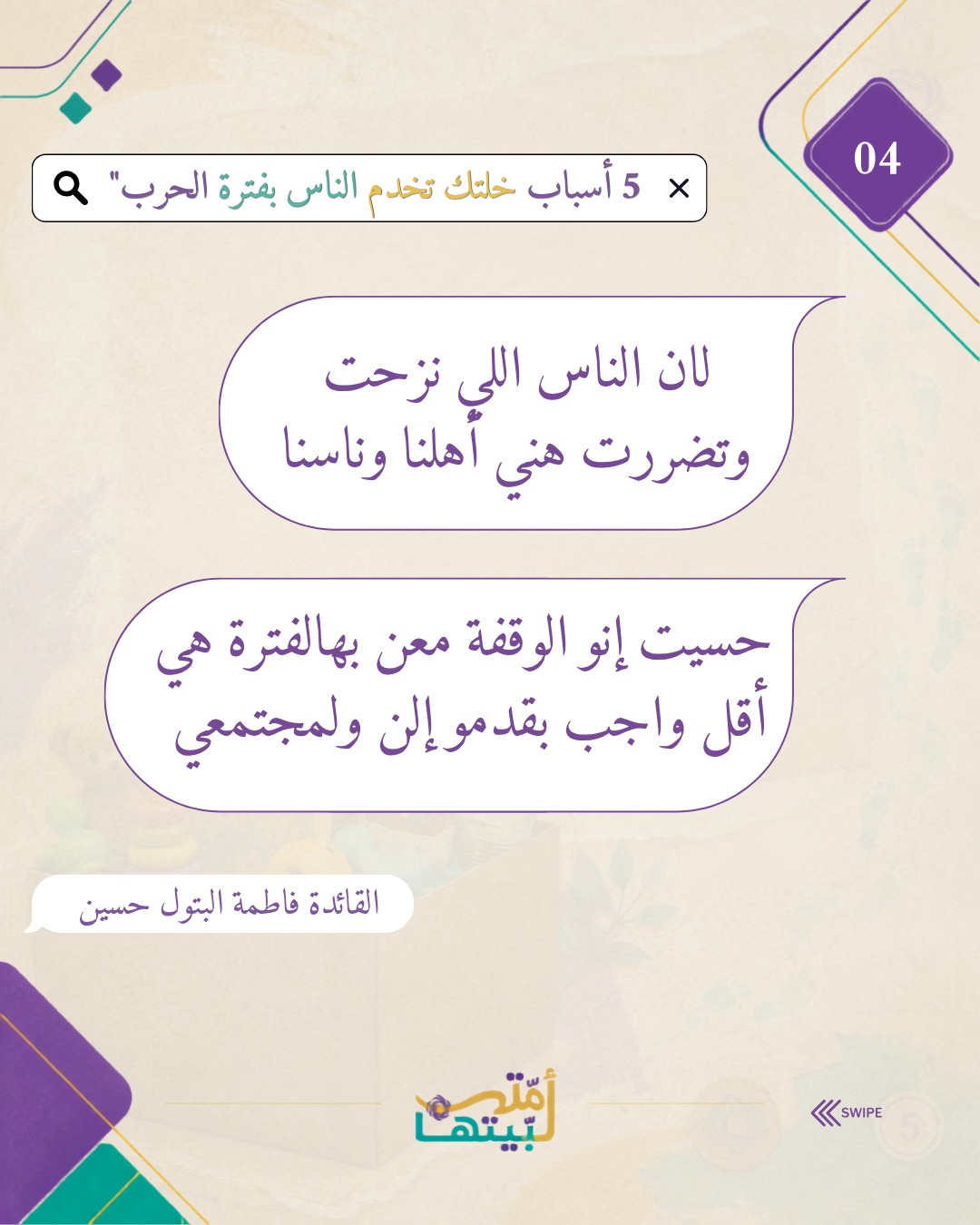
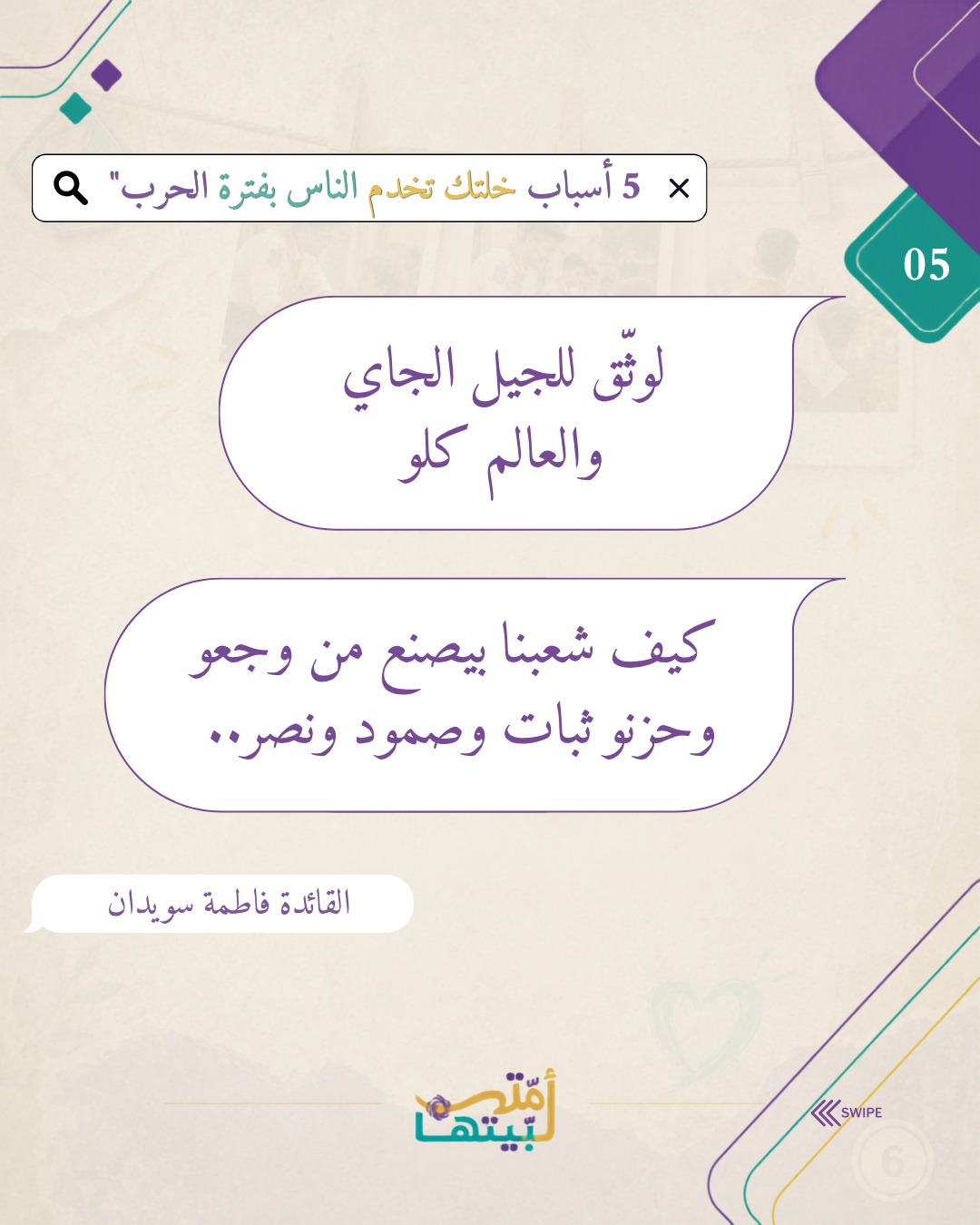
To understand the true motive that drove Fatima, Zeinab, and other male and female leaders to take to the field and offer service amidst danger and difficult circumstances, we posed a unified question to a group of scouts who volunteered in this domain: "What was the reason that made you be on the ground and serve people during the war?", and this was their answer:
As we observed, the scout leaders did not overlook the primary role they carried out during normal days; rather, they were fully aware that a child's needs at this stage are not limited to food, drink, and clothing, but that the child also needs a safe space to express themselves, one that helps them forget the bitterness of war and the painful memories they experienced. Thus, they transformed the playgrounds and courtyards of displacement centers into a safe haven where children could seek refuge from their fears and thoughts. They initiated various activities for different age groups, including recreational activities involving kinetic games, enthusiastic competitions, and scouting chants—amidst which the children's laughter rose to drown out the sound of Israeli airstrikes and plant hope in their hearts. In addition, they held various cultural and artistic activities, ranging from drawing workshops, storytelling sessions (hakawati), and clay modeling, which granted children a real opportunity to transform their pain and hidden feelings into creative artworks. Under those harsh conditions, the leaders did not forget religious activities, which were fundamental in instilling tranquility and peace of mind in the hearts of both young and old displaced persons, serving as the primary motivation for their steadfastness.
These activities proved to be a lifeline for Kawthar, the child who had fled from everyone around her and taken loneliness as her companion. Kawthar did not need directive speeches or attempts at persuasion to break free from the isolation that had enveloped her days; she simply needed to feel that the place around her was safe, and that the fear settled within her was not permanent. At first, she merely observed the scene from afar, her eyes following the children left and right, but the warmth and tranquility created by the scout leaders did not leave Kawthar in the position of a distant observer for long.
Little by little, Kawthar took her first steps toward the children, and with every step, an old anxiety hidden inside her small heart lifted away. The silence was broken, resulting in a child laughing with her peers at displacement centers, joining them in play and fun, forgetting what used to frighten her. Here, Maryam, Kawthar's mother, felt relief and reassurance whenever she saw a smile drawn on her daughter's face.
The story of Kawthar—the child who found safety and happiness in scouting activities after days of fear, anxiety, and loneliness—remains the greatest witness to the words of Fatima and Zeinab...